
When Political Optics Undercut Energy Tech Futures
- Artificial Intelligence
Arjun Vedanta
- 0
- 5 minutes read
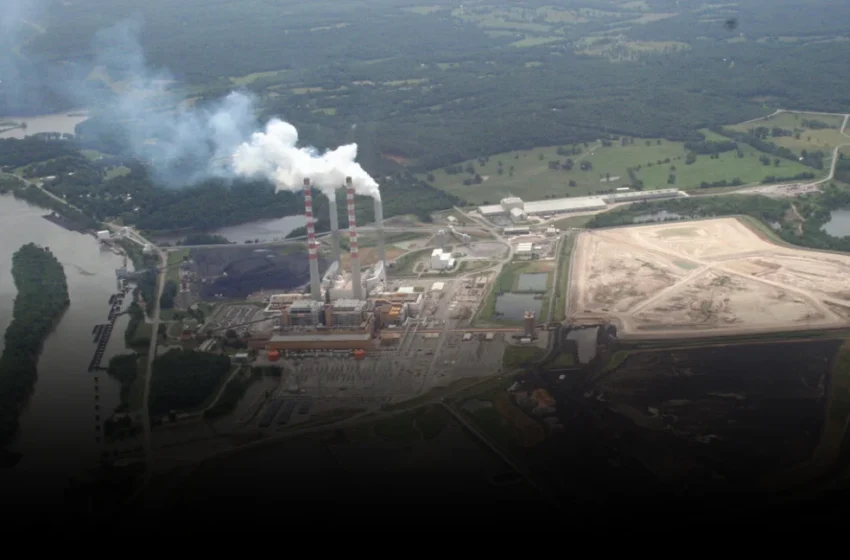
Political Retrofitting Stalls Grid Evolution
A recent federal pledge of $46 million to extend the lifespan of the Cumberland Fossil Plant, a coal-fired facility notorious for pollution and operational issues, represents more than just an environmental rollback. It is a stark example of political intervention actively obstructing the necessary technological evolution of a nation’s energy infrastructure. This decision, orchestrated by the Trump administration reversing a prior commitment by the Tennessee Valley Authority (TVA) to shutter the plant’s units by 2028, effectively prioritizes antiquated power generation over the urgent transition to modern, efficient, and sustainable energy systems.
For those tracking global energy trends, particularly from outside the Silicon Valley bubble, this move is deeply unsettling. While countries like Germany, Denmark, and even rapidly industrializing nations in Southeast Asia are aggressively investing in smart grid technologies, decentralized renewable energy sources, and advanced energy storage, the United States, in this instance, is choosing to double down on legacy systems. It’s a deliberate deceleration in a race where acceleration is paramount. The Cumberland plant, implicated in a multibillion-dollar settlement in 2011 for failing to install pollution controls and facing new citations as recently as 2023, is not merely old infrastructure; it is a technological anchor weighing down potential progress.
The Stifling Effect on Climate Tech Investment
Every dollar diverted to extending the life of a coal plant is a dollar not invested in the energy innovations that define our future. The $46 million promised to Cumberland could have, for example, catalyzed pilot projects for next-generation battery storage solutions, funded R&D into enhanced geothermal systems, or significantly expanded solar and wind integration with localized microgrids. Instead, it is being used to reinforce a model that the global tech community—from AI-driven grid optimization firms to advanced materials startups for renewables—is actively trying to supersede.
This is not just about environmental policy; it’s about market signals. When a powerful government entity demonstrates a willingness to prop up a failing, polluting industry, it sends a chilling message to investors in clean energy startups and climate tech ventures. Why commit capital to innovative solutions if political will can unilaterally halt their market penetration or subsidize their outdated competitors? The incentive here is clear: to appeal to a specific political base by projecting an image of industrial stability, even if that stability is propped up by public funds and comes at the expense of technological advancement and environmental health. It effectively distorts the natural market forces that would otherwise drive investment into more efficient and cleaner energy technologies.
Missed Opportunities in Digital Energy
The global energy sector is on the cusp of a profound digital transformation. We’re seeing the rise of digital twin technology for grid management, predictive maintenance powered by machine learning, and sophisticated demand-response systems that leverage artificial intelligence to balance supply and consumption in real-time. These are the tools that build resilience, efficiency, and sustainability into national grids. Extending the operational life of plants like Cumberland does not just delay investment in renewable generation; it actively defers the adoption of these adjacent AI infrastructure technologies that make modern grids work.
Consider the potential for grid modernization in Tennessee. Investing in a truly smart grid could mean more resilient infrastructure against extreme weather, dynamic energy pricing models, and seamless integration of distributed energy resources. These are capabilities that an aging coal plant fundamentally cannot provide, no matter how many millions are poured into its maintenance. The cynical truth is that maintaining the status quo, however inefficient or destructive, is often perceived as a safer political bet than embracing the disruption of technological progress. This reluctance to dismantle the old, even when its flaws are repeatedly documented, represents a profound lack of foresight regarding technological competitiveness on a global stage.
The international community is watching how major economies navigate the energy transition. When a nation opts for the political expediency of propping up a coal plant over investing in the digital and physical infrastructure of the 21st century, it highlights a deep disconnect. It is a decision that impacts not just the local air quality, but the broader trajectory of energy innovation and the credibility of a nation’s commitment to a technologically advanced future. The path not taken here is one of innovation, economic diversification, and a truly modern energy landscape.
