
Viral Memes Meet AI Generators: A Copyright Battle for the Digital Commons
- Artificial Intelligence
Arjun Vedanta
- 0
- 4 minutes read
The Algorithm as Global Distributor and Exploiter
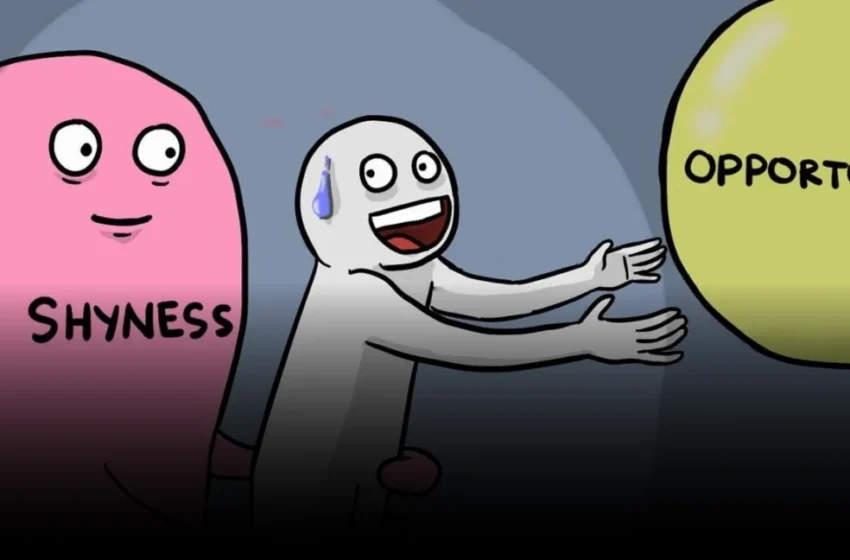
An artist’s deeply personal comic, shared millions of times and known globally as the ‘Running Away Balloon’ meme, is now at the heart of a lawsuit against an AI-powered meme generator. This isn’t merely a dispute over intellectual property; it’s a critical early test for how individual creative works, particularly those that found organic viral reach, will survive the automated commodification by platforms designed to profit from the internet’s vast digital commons.
Elmer Saflor, an artist and digital creator based in the Philippines, known online as “Superelmer,” found his comic exploding across the internet after its creation in 2017. Its global ubiquity was a testament to the power of distributed social sharing, free from the commercial pipelines of traditional media. Yet, this very ubiquity now underpins a legal challenge against Memes Apps, LCC, the company behind Memes.ai and Memes AI Studio, which allegedly monetized Saflor’s work without permission.
The company, according to the lawsuit, integrated Saflor’s copyrighted comic as a template within its paid subscription service, enabling users to generate ads using the iconic imagery. While Silicon Valley narratives often celebrate the ‘democratization’ of content creation through AI, this case highlights a darker undertone: the industrial-scale content laundering, designed to bypass traditional licensing and credit, thereby reducing complex human creativity to mere data points for profitable algorithms. This convenience offered by AI platforms is merely a veneer for automated appropriation.
The Monetization Paradox: When Viral Culture Becomes Machine Fuel
The core of this conflict lies in a widening chasm: on one side, the inherently communal, often non-commercial nature of internet memes; on the other, the aggressive, for-profit expansion of generative AI. Saflor’s experience underscores a fundamental shift from user-generated content (UGC) gaining cultural currency to AI-generated content (AIGC) being sold for financial profit, frequently utilizing UGC as an uncompensated feedstock.
Memes Apps, LCC’s incentive is starkly clear: rapid, low-cost content generation for commercial ad templates via paid subscriptions. Their model thrives by minimizing overheads, especially licensing fees, and leveraging pre-validated viral content like Saflor’s comic. This pursuit of efficiency, however, routinely sidesteps fundamental questions of ownership and fair use, creating a monetization paradox where the very virality that brought joy and connection becomes a vulnerability.
What was once a shared cultural touchstone, freely remixed and enjoyed, is now fodder for an ad generator. The promise of AI to empower creators rings hollow when the underlying business model appears to be an automated version of ‘move fast and break things’ — in this case, breaking existing intellectual property norms on a global scale. Unlike a stock image library where creators opt-in and are compensated, these AI systems often operate on a principle of algorithmic scraping, blurring the lines of permissible use.
A Regulatory Chasm in the Global Digital Economy
This lawsuit is a microcosm of a larger, systemic challenge for digital rights management, especially for creators operating outside the traditional legal and financial bulwarks of major tech markets. Saflor, an artist in the Philippines, is battling a company likely based in the US, with a global user base – an intricate web that traditional copyright law struggles to untangle efficiently.
The focus of many US-based tech reporters often gravitates towards the technical marvels or venture capital plays of AI, missing the nuanced human and legal implications for creators in diverse global contexts. This isn’t an isolated incident; it’s a structural flaw in how we govern AI training data, content acquisition, and automated content deployment across international borders. The outcome of Saflor’s lawsuit could establish significant legal precedent, offering a potential blueprint for countless other creators whose work has become part of the internet’s fabric without their commercial consent.
The ultimate resolution of cases like Saflor’s will shape the contours of digital intellectual property in the age of AI. It will determine how much control creators truly retain over their work once it enters the borderless, constantly evolving meme-sphere, forcing a crucial re-evaluation of what constitutes ‘fair use’ when algorithms learn from, and then profit from, human ingenuity.
