
Framework’s BIOS Blunder: The Cracks in Modular Computing’s Promise
- Hardware
Arjun Vedanta
- 0
- 6 minutes read
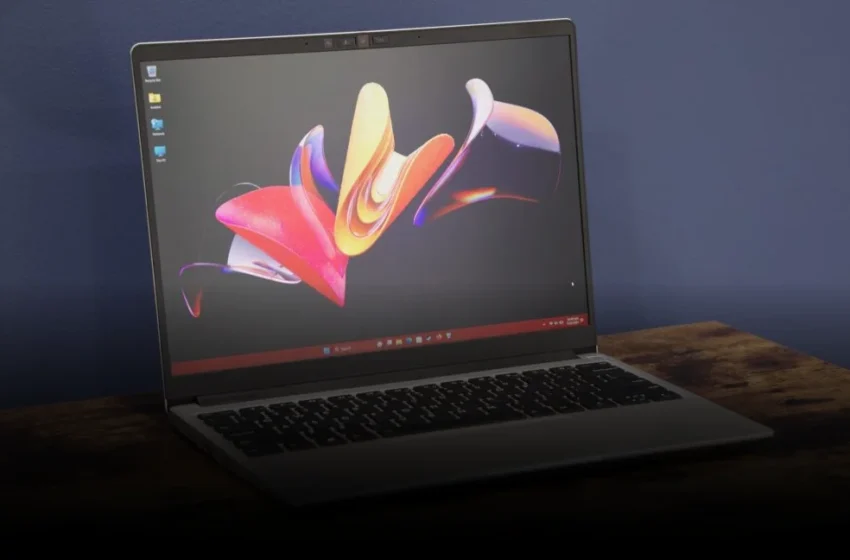
The Modular Paradox: When Empowerment Bricks
A BIOS update for Framework’s Ryzen 7040-series Laptop 13 is bricking systems, a stark, unsettling counterpoint to the company’s celebrated ethos of repairability and user control. Framework, the darling of the right-to-repair movement, positions itself as the antidote to tech’s planned obsolescence, offering users an unprecedented degree of modularity. Yet, here we are: a routine, critical firmware update has rendered some machines inert, not due to a user’s clumsy screwdriver, but a digital misstep from the very company championing user agency.
The specific issue revolves around BIOS version 3.20, released in June 2026 for devices Framework began shipping in 2023. This update, intended to introduce support for features like a haptic touchpad and new speakers on the higher-end Framework Laptop 13 Pro, alongside fixing minor issues such as an incorrect Battery Extender status, has instead introduced a fundamental vulnerability. The irony is inescapable: a company built on empowering users to swap out components finds its Achilles’ heel in the one area where user intervention is minimal and corporate control is absolute – the firmware that dictates the machine’s very awakening. This is not merely a technical glitch; it is a profound philosophical challenge to the entire modular computing premise.
Silicon Valley reporters, often quick to hail Framework as a disruptor, might focus on the immediate customer service response or the patch. But from an international perspective, this incident reveals deeper structural implications. It exposes a truth that traditional OEMs have long known and Framework enthusiasts perhaps underestimated: the most accessible components, the ones users can easily replace, rarely cause the most catastrophic failures. It’s the opaque, monolithic layers of firmware, tucked away from direct user access, that hold the true power to either liberate or brick a device.
Beyond the Bricked Board: A Crisis of Trust and Control
Framework’s commitment to repairability is lauded, but this BIOS mishap highlights an uncomfortable truth: a laptop isn’t just a collection of interchangeable parts. It’s a complex interaction between hardware and deeply embedded software, a delicate dance orchestrated by code that few understand and even fewer can modify. The Ryzen 7040-series processors are powerful, high-performance components, but their full potential – and stability – rests on robust firmware. When that firmware is flawed, the modularity of the physical components becomes irrelevant; a bricked mainboard is a bricked mainboard, regardless of how easily its RAM can be swapped.
This is where the incentive analysis becomes critical. Framework’s drive to continuously improve its product, to add features like a haptic touchpad for its ‘Pro’ model and resolve minor bugs like the battery extender reporting, is entirely understandable. The push to iterate and enhance the user experience, to keep pace with an evolving market, means frequent firmware updates are a necessity. However, this incident implies that in the race to deliver new functionality and fixes, the rigorous, comprehensive testing protocols required for such fundamental updates might have been insufficient. The company benefits from a narrative of continuous improvement and responsiveness, but this particular outcome underscores the immense cost of getting it wrong, particularly when their brand is synonymous with reliability and user trust, not just raw power or cutting-edge design.
Competitors, from the tightly integrated Apple ecosystem to more traditional PC vendors like Dell or HP, routinely face their own firmware challenges. However, Framework occupies a unique position. Its entire brand equity is built on trust through transparency and control. When a core component fails due to a company-issued update, it fundamentally erodes that trust in a way that might not afflict a more conventional OEM quite so severely. For Framework, a BIOS failure isn’t just a bug; it’s an existential threat to its reputation and a sobering reminder that even the most well-intentioned hardware vision requires impeccable software execution.
The Unseen Costs of Openness in a Closed Firmware World
The broader implications of Framework’s firmware stumble extend beyond its immediate customer base. It offers a critical lesson for the nascent open source hardware movement and the ongoing struggle for greater user agency in technology. Even with easily replaceable parts, if the underlying firmware integrity is compromised by a centralized, opaque update process, the promise of true ownership remains elusive. This incident casts a long shadow over the idea that modularity alone can inoculate users against corporate control or systemic failure.
A skeptical observation emerges: perhaps the biggest hurdle for truly user-empowering hardware isn’t the physical design of components, but the deeply ingrained nature of proprietary firmware and drivers. Modularity at the physical layer is a significant step, but it becomes merely cosmetic if the brain of the machine – its BIOS – remains an unassailable black box susceptible to remote, catastrophic failure. This points to a deeper challenge in the supply chain complexity of modern computing, where various components from AMD processors to Framework’s own mainboards must coalesce perfectly under the guidance of binary code that few external auditors can scrutinize.
For global consumers, particularly those in markets grappling with concerns over digital sovereignty and the right to repair, Framework’s challenges serve as a cautionary tale. It underscores that true user control necessitates not only the ability to physically tinker but also a robust, verifiable standard for software lifecycle management at the deepest levels of a machine. Without that, even the most repairable laptop can become nothing more than a highly customisable paperweight, its promise of longevity tragically cut short by a few lines of faulty code.
