
Genesis GV90: The Luxury EV Flagship Facing Global Market Realities
- Electric Mobility
Arjun Vedanta
- 0
- 5 minutes read
Beyond the Showroom Gloss: Genesis’s Electric Strategy
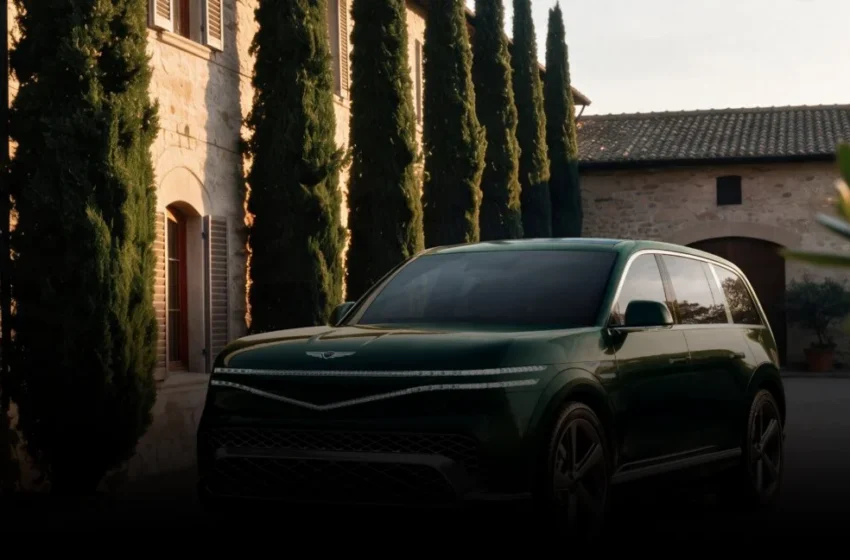
Genesis just unveiled its GV90, positioned as the brand’s electric flagship SUV, directly translated from the Neolum concept. The vehicle features an 800 V E-GMP platform shared with Hyundai and Kia siblings, with a notable four-seat, pillarless coach-door variant dubbed the GV90 Neolum. While the automotive press gushes over the faithful recreation of concept car theatrics, particularly the so-called ‘Neolum Arch Gate’ doors, this emphasis on hyper-exclusive features distracts from a far more critical question for Genesis: how does a brand establish genuine luxury authority and scale in the electric vehicle era without resorting to engineering flourishes that barely move the needle on market share?
This launch, with its emphasis on the exclusive Neolum variant, appears strategically timed to establish Genesis as a legitimate ultra-luxury contender before the broader market fully shifts to electric, aiming to capture mindshare among early adopters of high-end EVs and differentiate from the volume-focused strategies of its parent company, Hyundai. Yet, the luxury segment is rarely won through technical novelty alone; it’s forged in consistent, high-volume excellence and a coherent brand narrative that resonates globally.
The GV90, in its standard three-row, seven-seat configuration, will likely be the workhorse. But the fanfare surrounding the four-seat, pillarless Neolum — complete with a world-first roof airbag and 12 airbags total — suggests Genesis is betting on spectacle. This approach might earn headlines, but it does not inherently guarantee sustainable market penetration. Silicon Valley narratives often celebrate such engineering feats, overlooking the economic friction these bespoke solutions create for broader adoption.
The Cost of Distinction: Engineering Niche Luxury EVs
Pillarless coach doors, as dramatic as they are, represent a significant manufacturing overhead. Genesis has reportedly overcome the complex safety requirements for volume production, an impressive feat of engineering. However, the true measure of success lies in the economic viability of such specialized production lines for a relatively small luxury marque. When global competitors like Mercedes-Benz and BMW lean heavily into modular EV architectures designed for scale across their diverse lineups, Genesis’s pursuit of ultra-niche design elements raises questions about long-term profitability and global competitiveness.
The focus on bespoke luxury features like ‘Neolum Arch Gates’ feels less like innovation and more like a brand trying to assert premium status through costly engineering stunts rather than fundamental EV advantages in range, charging speed, or interior technology. While the 800V E-GMP platform is competitive, it’s shared, meaning the differentiation must come from elsewhere. The risk is that these unique, high-cost features become an albatross, limiting flexibility in pricing and production, especially as the electric vehicle market matures and consumer expectations shift towards value and performance over mere ostentation.
Consider the automotive industry’s broader trends. Tesla, for all its manufacturing quirks, demonstrated that scale and integrated software experiences can disrupt established luxury players. Chinese EV startups like Nio and XPeng are rapidly defining a new standard for digitally-native luxury, often at more aggressive price points. In this context, relying on physical, high-cost differentiators like special doors for a flagship model might be a miscalculation, particularly for a brand still building its global reputation independent of its parent corporation.
Global Ambition, Local Realities: Competing in the Premium EV Space
Genesis has consistently shown a knack for design, translating the striking lines of its concepts into handsome production vehicles. The GV90 is no exception. Yet, design alone will not carve out a significant slice of the premium EV pie. The market is increasingly crowded, with established players like Porsche and Audi investing billions into their own electric platforms and software ecosystems. Genesis, while benefitting from Hyundai’s deep pockets and engineering prowess, must distinguish itself beyond shared components and superficial luxury cues.
The challenge for Genesis, particularly from an international perspective, is to prove that its definition of luxury extends beyond opulence. European and Asian luxury buyers often prioritize efficiency, integrated digital services, and robust after-sales support as much as, if not more than, flashy doors. In Singapore, for example, where space is at a premium and infrastructure is rapidly evolving, a vehicle’s charging ecosystem and compact luxury often trump sheer size or dramatic entryways. Similarly, in London, where congestion charges and practicality weigh heavily, extravagant design has diminishing returns.
The GV90 is a bold statement, but it begs the question of whether Genesis is truly playing to its strengths. Is the brand prepared to scale the intricate manufacturing processes required for such a niche luxury variant globally? Or is this a limited-run halo product designed more for PR than for meaningful market penetration? The broader global EV landscape demands a relentless focus on core value, advanced software, and efficient manufacturing. Genesis’s real test lies not in the spectacle of its ‘Neolum Arch Gate’ but in its ability to deliver premium electric mobility that resonates with intelligent, skeptical buyers beyond the initial design dazzle.
