
GOG’s ‘Big Box’ Nostalgia Reveals the Digital Ownership Dilemma
- Software
Arjun Vedanta
- 0
- 5 minutes read
The Flimsy Paradox of Digital Ownership
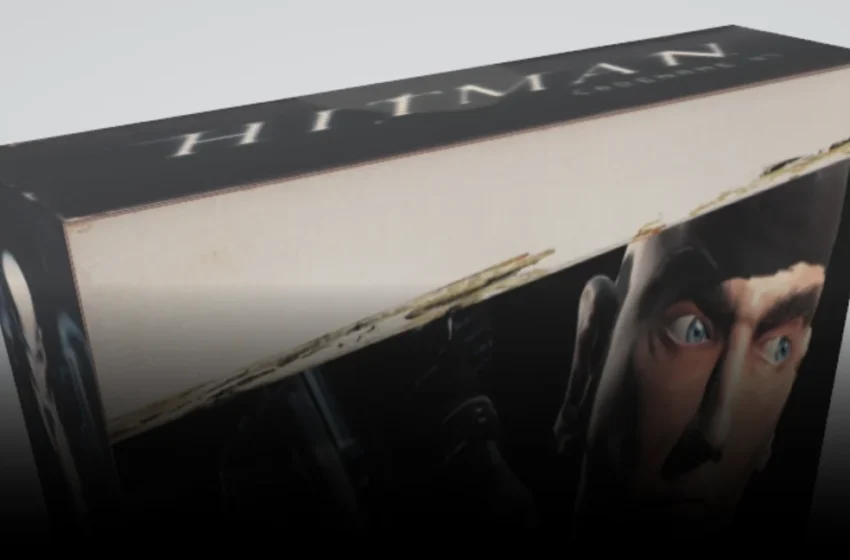
A piece of printed cardboard, meticulously folded and glued, now stands as a peculiar totem to digital ownership. GOG, long a champion of DRM-free PC gaming, recently introduced its “Printable Big Box” collection, an initiative offering downloadable 3D models and high-resolution, printable scans of classic game packaging. For titles like Myst, Descent, and Hitman: Codename 47, players can now reconstruct the physical artifacts that once adorned their shelves. It’s a charming nod to the past, a creative papercraft project designed to evoke the specific nostalgia of the pre-Steam era, where software felt tangible.
But look closer. This gesture, while framed as an act of preservation, inadvertently highlights the profound fragility of digital consumer rights. GOG states that “Physical media doesn’t survive the way software can—boxes get lost, crushed, thrown out,” framing this as an extension of their mission to keep games running on modern PCs. Yet, the irony is thick: while GOG empowers users to physically recreate a representation of ownership, the actual digital game files themselves, even those deemed “DRM-free,” remain inherently tied to platform ecosystems and licensing agreements. A printed box can exist indefinitely; a purchased game, even offline, relies on the continued goodwill of a platform provider.
This initiative, then, isn’t just about wistful recollections of childhood. It’s a stark reminder that in the digital age, our relationship with purchased software is fundamentally different from physical property. The enduring power of a beautifully designed box isn’t just aesthetic; it’s a tangible link to a bygone era when ownership meant more than just a revoked license key or a delisted product. What GOG isn’t offering, notably, is a way to truly own the digital content inside these phantom boxes, which remains tied to licenses and platform availability.
Beyond Nostalgia: GOG’s Strategic Bet
For GOG, this initiative serves a dual purpose: a low-cost, high-engagement marketing stunt that strengthens its brand identity as a steward of gaming history, distinct from its competitors. While other platforms prioritize subscription models or cloud gaming, GOG leans into a particular consumer sentiment: the desire for permanence and control over one’s digital library. The “Printable Big Box” project, initially limited to just five titles, including Armikrog and Star Trek: 25th Anniversary, generates goodwill and media attention with minimal development overhead, effectively leveraging community sentiment.
The act of printing and assembling these boxes, downloading GLB models, PDFs, SVGs, and Adobe Illustrator files, engages users in a way that simply clicking “play” cannot. It transforms a passive digital consumption into an active, creative endeavor. This strategy aligns perfectly with GOG’s long-standing appeal to a segment of PC gamers wary of the increasingly ephemeral nature of modern game acquisition. They cater to a niche that values historical authenticity and digital preservation over the latest graphics or microtransaction schemes. This differentiates them in a market saturated by the ubiquity of Steam and the rising challenge of services like Epic Games Store.
By championing the physical remnants of game culture, GOG reinforces its unique selling proposition in a crowded digital marketplace. It’s a clever, almost subversive move, positioning themselves not just as a store, but as a digital archive and a curator of gaming heritage. The very act of offering these templates implicitly criticizes the industry’s broader shift away from a sense of tangible value, a shift that benefits platforms far more than consumers.
The Future Isn’t Paper, It’s Power
The “Printable Big Box” initiative ultimately draws attention to a larger, unresolved question within the technology industry: who truly owns digital assets? When a game can be delisted, patched into obsolescence, or disappear with a platform’s closure, the concept of “owning” a digital copy becomes increasingly tenuous. This initiative, therefore, serves as a quiet protest against the prevailing winds of software as a service (SaaS) and perpetual licensing agreements. It’s a physical manifestation of a digital wish.
The current landscape of intellectual property and digital rights management (DRM) ensures that even DRM-free titles purchased from GOG remain subject to the platform’s continued existence. A printed box offers a tangible link to a past era of true ownership, an era where a physical disk and manual meant autonomy from a central authority. Recreating these boxes, in a strange way, is an attempt to reclaim a small sliver of that autonomy, a symbolic resistance against the forces that dictate access to our digital entertainment.
This isn’t to say GOG is actively subverting the system; they are, after all, a commercial entity operating within it. But their focus on “goodies” like animated 3D object files and papercraft projects for a select few titles underscores a critical cultural tension. As the industry pushes further into subscription models and cloud-based gaming, where even the illusion of ownership fades, GOG’s paper boxes stand as a poignant reminder of what was lost, and what consumers still implicitly crave: not just access, but control over their purchased digital worlds.
