
Amazon’s $1 Billion Data Center Pledge: A PR Play or Genuine Community Investment?
- Artificial Intelligence
Arjun Vedanta
- 0
- 10 minutes read
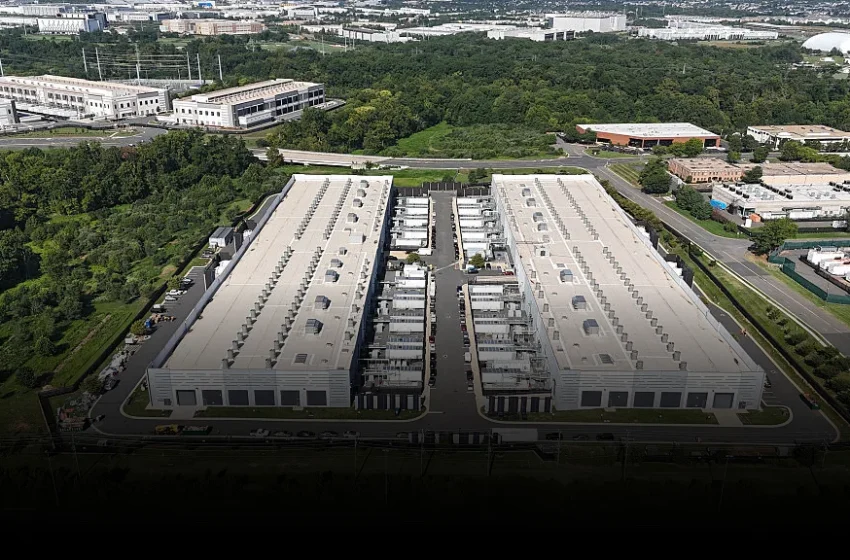
Amazon’s $1 Billion Data Center Pledge: A PR Play or Genuine Community Investment?
Amazon’s recent commitment of over $1 billion to communities neighboring its data centers over the next five years, while appearing as a substantial gesture of corporate responsibility, primarily functions as a strategic public relations move aimed at assuaging mounting environmental and infrastructural concerns, rather than fundamentally altering the significant local impacts of its expanding cloud operations.
This substantial investment, announced by Amazon Web Services (AWS) CEO Matt Garman, comes amid escalating scrutiny of the colossal energy and water demands placed by hyperscale data centers on American municipalities. For US tech professionals and enthusiasts, understanding this initiative requires looking beyond the dollar figure to grasp its implications for local infrastructure, environmental sustainability, and the broader narrative of Big Tech’s societal footprint in the United States.
The Greenwash or Genuine Good? Unpacking Amazon’s Data Center Investment
Amazon’s new financial commitment, detailed in a recent press release, will distribute more than $1 billion across communities adjacent to its data center operations over the coming half-decade. According to Matt Garman, the allocation of these funds will be determined by the communities themselves, with priority areas including "education, job training, energy affordability, water, and energy preservation, and local priorities." This community-driven approach aims to empower local stakeholders in addressing the most pressing needs arising from the presence of large-scale tech infrastructure.
Beyond the direct financial aid, Amazon has also made specific pledges to mitigate the direct operational impact of its data centers. The company asserts that its facilities will not lead to increased power bills for local residents nor deplete vital local water supplies. A key part of this promise is Amazon’s goal to become "water positive" by 2030, meaning it will return more water to communities than its data centers consume. The company claims that an impressive 75 percent of its current projects have already achieved this water positive status.
However, many observers view this move as a reactive measure, a direct response to the escalating backlash and public pressure over the tangible environmental and resource strains imposed by data center expansion. The question isn’t solely about the funds themselves, but the underlying motivation and whether such investments truly offset the massive resource consumption inherent in operating global cloud infrastructure.
The Hidden Costs: Energy and Water Demands on US Communities
The proliferation of data centers across the United States, particularly in states like Virginia, Oregon, Ohio, Texas, and Arizona, has brought significant economic benefits in terms of jobs and investment. However, it has also created substantial environmental and infrastructural challenges, primarily revolving around immense energy and water consumption. A typical hyperscale data center can consume as much electricity as a small city, relying heavily on local power grids and often increasing the demand for non-renewable energy sources if not adequately supplied by renewables.
Water usage is another critical concern. Data centers require vast quantities of water for cooling, a process that becomes even more intense in hotter climates. While Amazon’s pledge to be "water positive" by 2030 and its claim that 75 percent of projects already meet this goal are commendable, the definition and measurement of "water positive" are often debated. It typically involves returning an equivalent amount of water to the watershed, often through conservation projects elsewhere, rather than reducing the direct withdrawal at the data center site itself. This doesn’t always alleviate immediate local drought conditions or strain on municipal water systems.
| Aspect | Benefits to Communities | Drawbacks to Communities |
|---|---|---|
| Economic Impact | New jobs (construction, operations), local tax revenue, infrastructure investment. | Increased cost of living, strain on local services, potential displacement of other industries. |
| Resource Use | Investment in renewable energy infrastructure. | Massive electricity demand straining local grids, significant water consumption for cooling. |
| Infrastructure | Upgrades to power grids, fiber optic networks. | Increased traffic, noise pollution, land use conflicts (e.g., agricultural land conversion). |
| Environmental | Corporate sustainability initiatives, water conservation projects (indirect). | Carbon emissions from energy use, heat discharge, potential impact on local ecosystems. |
Amazon’s commitment that its data centers "wouldn’t increase power bills" for consumers is a particularly challenging promise. When data centers add significant load to a regional grid, it necessitates infrastructure upgrades, and depending on local energy markets and regulatory structures, these costs can sometimes be passed on to ratepayers, or at least strain the existing capacity, potentially increasing the risk of outages. Managing this growth without impacting residential consumers requires substantial upfront investment in new generation and transmission, typically far exceeding the scope of community funds.
Regulatory Scrutiny and Public Pressure: Why Amazon is Acting Now
The timing of Amazon’s $1 billion pledge is hardly coincidental. Across the United States, there’s a palpable increase in public scrutiny and governmental concern over the sustainability practices of large technology companies, especially regarding their energy and water footprints. States like Virginia, which hosts the world’s largest concentration of data centers (often dubbed "Data Center Alley"), have seen growing local activism and political debate surrounding data center expansion, particularly regarding noise pollution, visual impact, and resource demands.
Local zoning boards and state environmental agencies are increasingly scrutinizing permit applications for new facilities. This rising pressure isn’t just from environmental groups; it’s also from concerned citizens who experience direct impacts on their quality of life, from increased traffic and construction to anxieties about water scarcity or potential energy cost hikes. The "backlash" mentioned in the original context isn’t abstract; it manifests in town hall meetings, local media reports, and community organizing against proposed data center sites.
For a company like AWS, which dominates the global cloud computing market, maintaining public trust and a positive local presence is crucial for continued expansion. Proactive investments, even if seen as damage control, can preempt stricter regulations or slower permitting processes that could impede future growth. This move, therefore, represents a strategic effort to smooth over community relations and demonstrate corporate responsibility in the face of escalating real-world consequences.
Beyond the Check: What Real Solutions Look Like
While a $1 billion investment is a considerable sum, true sustainability and integration for data centers involve more than just monetary contributions. For US communities to truly benefit, and for AWS to achieve genuine environmental leadership, additional measures are critical. These include deeper commitments to sourcing 100% renewable energy through direct power purchase agreements (PPAs) that add new clean energy generation to the grid, rather than simply purchasing credits.
Innovations in cooling technologies, such as liquid immersion cooling or advanced evaporative systems that minimize water usage, are also essential. Furthermore, strategic site selection that considers local resource availability, existing grid capacity, and renewable energy potential is paramount. American cities and states can play a vital role by developing comprehensive zoning and planning policies that guide data center development to areas where the environmental and infrastructural impact can be best managed, perhaps even incentivizing sustainable practices through tax breaks or streamlined permitting.
Ultimately, the long-term sustainability of cloud infrastructure hinges on a multifaceted approach that combines technological innovation, responsible corporate practices, and robust governmental oversight. Amazon’s investment is a start, but it’s crucial to view it as one piece of a much larger, complex puzzle in balancing technological advancement with ecological stewardship.
Key Takeaways for US Readers:
- Amazon’s $1 billion pledge is a significant community investment, but also a strategic response to growing concerns about data center impact.
- The funds target critical areas like education, job training, energy affordability, and water/energy preservation in communities near AWS facilities.
- Despite "water positive" goals and promises not to raise power bills, the sheer resource demands of data centers remain a significant challenge for local US infrastructure.
- Increasing regulatory and public scrutiny nationwide is compelling tech giants like Amazon to invest more visibly in community relations and sustainability efforts.
- Genuine long-term solutions require advanced cooling technologies, direct renewable energy sourcing, and collaborative planning with local governments, beyond financial donations.
What is Amazon’s data center community investment?
Amazon has committed over $1 billion to communities neighboring its data centers over the next five years. These funds, decided by local communities, are intended for initiatives covering education, job training, energy affordability, water, energy preservation, and other local priorities.
Why are data centers a concern for local communities?
Data centers are a concern due to their immense consumption of electricity, straining local power grids and potentially increasing carbon emissions. They also demand vast quantities of water for cooling, which can impact local water supplies, particularly in drought-prone regions. Additionally, their physical presence can lead to noise pollution and significant land use.
What does "water positive" mean in the context of data centers?
For data centers, being "water positive" means returning more water to communities than the facilities consume. This is often achieved through investments in water conservation projects or infrastructure improvements that replenish local watersheds, aiming to offset the direct water withdrawal used for cooling and operations.
