
Topgolf’s $11 Million VMware Exit Signals Broadcom Price Shock for US Enterprise IT
- Software
Arjun Vedanta
- 0
- 9 minutes read
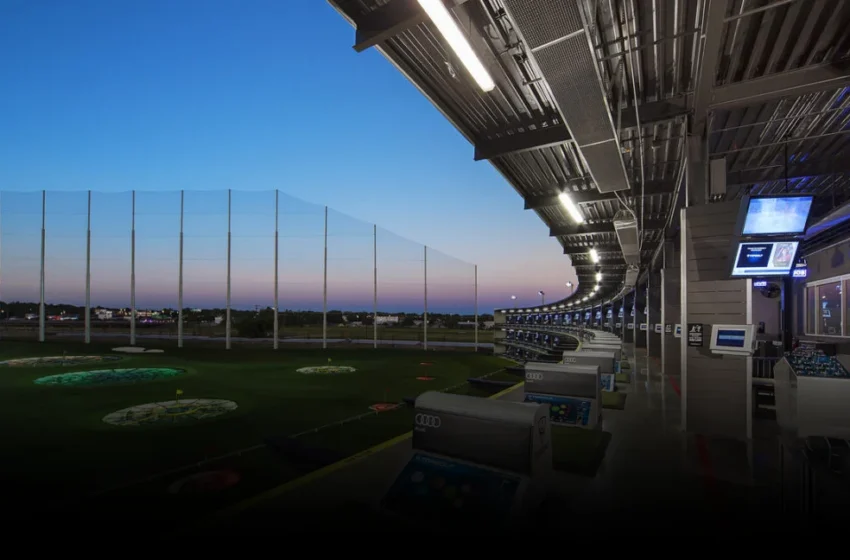
Topgolf, the popular sports entertainment company, has saved over $11.3 million by migrating its 12,000 virtual machines from VMware to VergeIO’s VergeOS. This significant move was a direct response to anticipated 400% cost increases under Broadcom’s ownership of VMware, highlighting a growing concern for American enterprises heavily reliant on VMware infrastructure.
For US IT professionals, Topgolf’s experience offers a stark illustration of the financial pressures and strategic recalculations facing businesses since Broadcom finalized its acquisition of VMware. The shift away from a decades-long, deeply integrated relationship with a dominant vendor like VMware to an alternative platform like VergeOS represents more than just a cost-cutting measure; it signals a critical re-evaluation of vendor lock-in and the search for more sustainable virtualization solutions in a rapidly changing market.
Broadcom’s Strategic Shift and the VMware Aftershock for American Businesses
Broadcom’s $69 billion acquisition of VMware, completed in late 2023, sent ripples throughout the US technology sector. Known for its aggressive cost-cutting and strategic focus on its largest customers, Broadcom quickly began to reshape VMware’s product portfolio and licensing models, specifically targeting high-volume enterprises.
The company swiftly moved to eliminate perpetual licenses in favor of subscription-only models and streamlined its product offerings, often bundling essential features into more expensive packages. These changes have led to substantial price increases for many existing customers, particularly those outside of Broadcom’s top-tier enterprise targets.
For mid-sized and even large US businesses, these changes have translated into uncomfortable conversations about IT budgets. Industry analysts and many CIOs across the country have voiced concerns that Broadcom’s strategy could force many organizations to either absorb significantly higher costs or embark on complex and potentially disruptive migrations, precisely as Topgolf has done.
Topgolf’s Entrenched VMware Relationship and the Breaking Point
Topgolf’s connection to VMware was not superficial; it was, as Scott Forehand, Topgolf’s global infrastructure manager, told Ars Technica, a relationship that “ran very deep.” The company had relied on VMware’s foundational virtualization platforms, vSphere and ESXi, for decades, underpinning critical operational systems across its more than 100 worldwide locations.
In 2017, Topgolf further deepened this integration by adopting VxRail, the hyperconverged infrastructure (HCI) platform co-engineered by VMware and Dell. This move locked Topgolf into an ecosystem designed for seamless operation and management, making any potential shift incredibly daunting. Forehand himself, a leader of the Dallas/Ft. Worth VMware User Group, indicated their long-standing commitment, having participated in numerous VMware customer councils and even being featured in books about their vSphere and Horizon (now Omnissa Horizon) implementations.
The projected 400 percent increase in VMware costs under Broadcom, however, presented an untenable financial burden. Despite the deep integration and decades of familiarity, the economics simply no longer made sense. This forced Topgolf to confront the reality of vendor lock-in and seek a rapid, large-scale alternative.
How Does VergeIO’s VergeOS Stack Up as a US Enterprise Alternative?
Faced with an urgent need for an alternative, Topgolf turned to VergeIO and its VergeOS platform. VergeOS offers a hyperconverged infrastructure solution designed to consolidate server, storage, and networking functions into a single software stack. Its appeal often lies in its simplified management and a potentially lower total cost of ownership compared to traditional virtualization stacks.
For US enterprises evaluating their options, VergeIO presents itself as a challenger to the established virtualization giants, promising to deliver high performance with a streamlined architecture. Its value proposition is particularly strong for organizations looking to reduce complexity and operational overhead, which can become significant factors with highly integrated, multi-product VMware environments.
The success of Topgolf’s migration, involving 12,000 virtual machines, underscores VergeIO’s capability to handle substantial enterprise workloads. This is a critical data point for other American businesses contemplating a similar shift, proving that viable alternatives to VMware exist and can support large-scale operations.
Here’s a snapshot comparing key considerations for US enterprises:
| Feature/Consideration | VMware (Post-Broadcom) | VergeIO VergeOS |
|---|---|---|
| Licensing Model | Subscription-based, often bundled, higher costs for many. | Typically subscription-based, often simpler, potentially lower TCO. |
| Infrastructure Model | Traditional virtualization + HCI (VxRail), extensive ecosystem. | Hyperconverged Infrastructure (HCI), consolidated stack. |
| Management Complexity | Can be high with multiple products (vSphere, vCenter, NSX, etc.). | Designed for simplified, single-pane-of-glass management. |
| Migration Effort | Vendor lock-in can make migration to alternatives challenging. | Requires planning, but the Topgolf case shows feasibility for large scale. |
| Market Position | Dominant market leader, now focused on large enterprise segments. | Emerging challenger, often appealing to organizations seeking cost/complexity reduction. |
The Migration Journey and Lessons for American IT Leaders
Migrating 12,000 virtual machines is no trivial undertaking, especially for a company like Topgolf with active, real-time operations across numerous physical locations. The successful completion of this large-scale move offers invaluable lessons for US IT leaders currently evaluating their own virtualization strategies.
Strategic planning is paramount. Companies must conduct thorough due diligence on alternative platforms, assessing not just cost savings but also performance, security, and the vendor’s long-term viability. The migration itself requires careful orchestration to minimize downtime and business disruption.
Topgolf’s experience underscores the importance of having a robust exit strategy, even when deeply embedded with a vendor. Vendor lock-in is a real and present danger, and the ability to pivot rapidly in response to drastic cost changes or service alterations is becoming a critical competitive advantage.
This case also highlights the growing maturity of alternative hyperconverged and virtualization platforms. The market is evolving beyond a handful of dominant players, offering American businesses more choices and, potentially, more leverage in their vendor negotiations.
Conclusion: Navigating the New Virtualization Landscape
Topgolf’s decision to leave VMware and embrace VergeIO’s VergeOS is more than just a business anecdote; it’s a bellwether for the US enterprise IT landscape. The significant cost savings achieved demonstrate that challenging the status quo, even with deeply embedded technologies, can yield substantial financial and operational benefits.
Broadcom’s aggressive strategy has irrevocably altered the virtualization market, forcing many US businesses to re-evaluate their infrastructure choices. For technology professionals and decision-makers, understanding the implications of these shifts and exploring viable alternatives is no longer optional but a strategic imperative.
Key Takeaways for US Tech Professionals:
- Re-evaluate VMware Costs: Proactively audit your current VMware spend and project future costs under Broadcom’s new licensing models.
- Explore HCI Alternatives: Investigate hyperconverged infrastructure (HCI) solutions like VergeIO, Nutanix, or others that offer consolidated platforms and potentially lower TCO.
- Prioritize Vendor Flexibility: Strategically plan for potential vendor shifts to mitigate lock-in risks and maintain control over your IT budget.
- Leverage Migration Case Studies: Learn from experiences like Topgolf’s, understanding the challenges and successes of large-scale virtualization platform migrations.
What prompted Topgolf to leave VMware?
Topgolf decided to migrate from VMware after facing projected cost increases of 400% following Broadcom’s acquisition and subsequent changes to VMware’s licensing and product offerings. The significant financial impact made their continued use of VMware unsustainable.
What is VergeIO’s VergeOS?
VergeIO’s VergeOS is a hyperconverged infrastructure (HCI) software platform that consolidates compute, storage, and networking into a single, unified software stack. It aims to simplify IT infrastructure management and reduce operational costs by offering an alternative to traditional virtualization solutions like VMware.
What does this mean for other US companies using VMware?
Topgolf’s migration serves as a strong case study for other US companies experiencing rising VMware costs under Broadcom. It suggests that substantial savings and operational benefits are achievable by exploring and adopting alternative virtualization and HCI platforms, prompting a critical review of existing infrastructure strategies.
Was the migration successful for Topgolf?
Yes, the migration was successful. Topgolf moved 12,000 virtual machines to VergeIO’s VergeOS and, as a direct result, has already saved over $11.3 million by avoiding the anticipated cost increases from VMware under Broadcom’s new terms.
