
CDC Vaccine Trial Controversy: US Taxpayer Funds ‘Unethical’ Research Amidst Global Outcry
- Government & Policy
Arjun Vedanta
- 0
- 10 minutes read
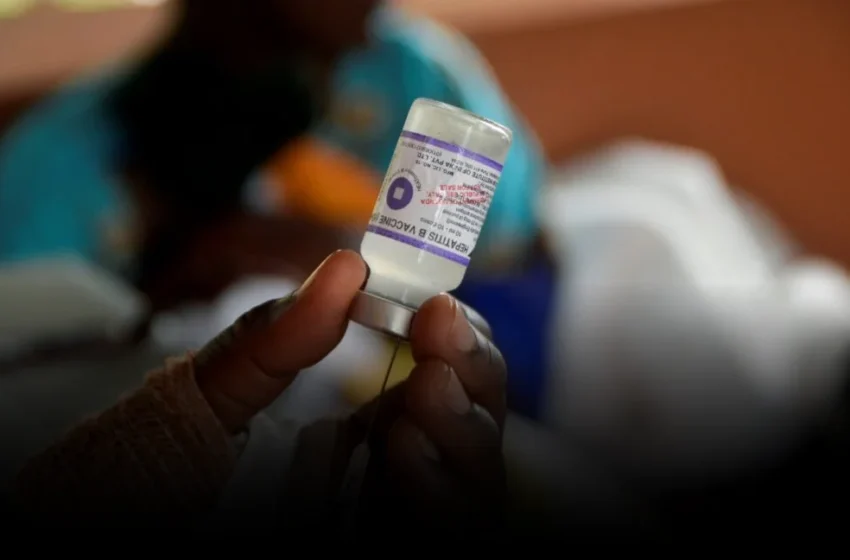
Police in Guinea-Bissau recently raided offices associated with a controversial hepatitis B vaccine trial for newborns, seizing doses amidst international condemnation. This “unethical” trial, widely criticized by health experts, has received significant funding from the US Centers for Disease Control and Prevention (CDC) under the directive of US Health Secretary Robert F. Kennedy Jr., raising serious questions about the integrity of US public health funding and oversight.
The scandal centers on an initial $1.6 million grant, and a subsequent identical allocation, from the CDC to Danish researchers Peter Aaby and Christine Stabell Benn of the Bandim Health Project. These researchers, known for their unconventional vaccine theories and praised by Kennedy, planned a trial that could expose thousands of newborns to hepatitis B, potentially leading to severe, lifelong health consequences. The involvement of a major US public health institution in such a contentious project, especially given its ties to anti-vaccine advocacy, sends worrying signals to American taxpayers and the global scientific community.
The Anatomy of a Controversial CDC Vaccine Trial
The proposed clinical trial aimed to evaluate the hepatitis B vaccine’s effects on newborns in Guinea-Bissau. According to the December announcement from the CDC, the Bandim Health Project, led by Peter Aaby and Christine Stabell Benn, received an unsolicited $1.6 million grant to conduct this research.
Aaby and Stabell Benn are controversial figures within the vaccine research community, known for claiming vaccines cause overlooked harms. They are currently under investigation for alleged scientific misconduct by Danish authorities, a fact that raises immediate red flags about the CDC’s choice of grantees.
The trial design itself sparked widespread condemnation from international health experts. Concerns revolved around the potential exposure of thousands of newborns to hepatitis B, a lifelong infection that can lead to debilitating conditions such as liver cirrhosis, cancer, and premature death. Such a trial design has been explicitly labeled as “unethical” due to the significant risks posed to a vulnerable population.
Plans for the trial were initially halted in January due to the international outcry. However, a Rolling Stone report earlier this month claimed the CDC set aside another $1.6 million in late September, suggesting a renewed intent to proceed, which then precipitated the recent raid.
Politicization and Peril: RFK Jr.’s Influence on US Public Health
The involvement of US Health Secretary Robert F. Kennedy Jr. is central to understanding how this controversial project secured US taxpayer funding. Kennedy, a vocal anti-vaccine advocate, has repeatedly praised Aaby and Stabell Benn’s work, aligning with his long-held skepticism regarding established vaccine science.
His position as US Health Secretary grants him significant influence over agencies like the CDC. The decision by the CDC to award an unsolicited grant to researchers under investigation for misconduct, for a trial deemed unethical by global standards, strongly suggests political pressure. This scenario underscores a troubling trend of politicization within US scientific and public health institutions.
The CDC is America’s lead public health agency, trusted with safeguarding the nation’s health through science-based recommendations. Its direct financial support for such a contested trial, particularly one championed by a prominent anti-vaccine figure, risks undermining public trust in vaccine efficacy and scientific integrity. This erosion of trust could have profound implications for public health initiatives within the United States and abroad.
What Does the Guinea-Bissau Raid Signify for the US?
The recent police raid in Guinea-Bissau, resulting in the seizure of hepatitis B vaccine doses, is a stark demonstration of international and local resistance to the trial. It signals that even with US federal funding, projects perceived as unethical will face significant pushback from sovereign nations and the global scientific community.
This intervention places the United States in an uncomfortable position. When a US-funded project is halted by local authorities due to ethical concerns, it raises questions about US oversight and the standards applied to American scientific aid. It projects an image that US funding might be supporting practices that fall short of international ethical guidelines, potentially damaging America’s reputation as a leader in global health.
For American taxpayers, this incident means their dollars are funding a project that has been forcibly stopped for ethical breaches. This highlights the urgent need for greater transparency and more rigorous ethical vetting processes for federal grants, especially those directed towards international research involving vulnerable populations.
Ethical Red Flags and Scientific Integrity
The ethical concerns surrounding the Bandim Health Project’s proposed trial are multi-faceted and grave. International health experts have pointed to several critical issues that starkly contrast with standard ethical research principles.
| Aspect | Standard Ethical Research Principles | Guinea-Bissau Trial Controversy |
|---|---|---|
| Informed Consent | Voluntary, clear understanding of risks/benefits; protected for vulnerable groups. | Challenged given vulnerable population (newborns), potential for coercion in resource-limited settings. |
| Risk vs. Benefit | Benefits must substantially outweigh risks; minimize harm to participants. | Exposing healthy newborns to lifelong hepatitis B risk for research is disproportionate. |
| Scientific Merit | Sound methodology, qualified researchers, addresses a valid scientific question. | Researchers under investigation for misconduct, controversial and unproven theories. |
| Funding Source | Independent, free from undue political or ideological influence. | Politically driven by anti-vaccine advocate US Health Secretary Robert F. Kennedy Jr. |
| Oversight | Robust, independent ethical review boards (IRBs) ensuring participant safety. | Trial proceeded despite international condemnation; local authorities intervened. |
Exposing newborns to a potentially lifelong, life-threatening infection without a clear, substantial direct benefit to the participants themselves represents a profound ethical breach. Furthermore, the fact that the principal investigators, Aaby and Stabell Benn, are under investigation for alleged scientific misconduct in their home country adds another layer of concern regarding the integrity and validity of any research they conduct.
This situation highlights the critical role of independent Institutional Review Boards (IRBs) and international ethical guidelines in protecting human subjects in research. The apparent circumvention or dismissal of these principles in favor of politically driven funding decisions is a dangerous precedent for scientific integrity.
Conclusion
The ongoing controversy surrounding the CDC’s funding of an “unethical” hepatitis B vaccine trial in Guinea-Bissau represents a significant failure in oversight and ethical governance. It underscores the perilous consequences when political influence overrides established scientific and ethical protocols within critical US public health institutions.
The US government, through its agencies, has a responsibility to ensure that all research funded by taxpayer dollars adheres to the highest ethical standards, particularly when involving vulnerable populations abroad. The damage to the CDC’s credibility, both domestically and internationally, will require considerable effort to repair.
- US taxpayer dollars were allocated to a highly controversial and widely condemned vaccine trial on newborns.
- The influence of US Health Secretary Robert F. Kennedy Jr., an anti-vaccine advocate, raises serious concerns about the politicization of science at the CDC.
- The international community and local authorities in Guinea-Bissau actively opposed the trial, leading to the seizure of materials.
- This incident significantly damages the CDC’s global reputation and erodes public trust in US public health initiatives.
- There is an urgent need for enhanced ethical oversight and transparency in US-funded research, especially in international settings.
What is the core controversy surrounding the Guinea-Bissau vaccine trial?
The controversy stems from a proposed hepatitis B vaccine trial on newborns in Guinea-Bissau, which international health experts have widely condemned as “unethical.” Concerns include exposing vulnerable infants to lifelong infection risks and the involvement of researchers under investigation for scientific misconduct.
How is the US government involved in this trial?
The US Centers for Disease Control and Prevention (CDC) awarded Danish researchers Peter Aaby and Christine Stabell Benn $1.6 million, and later another $1.6 million, to conduct this trial. This funding decision was reportedly influenced by US Health Secretary Robert F. Kennedy Jr., who has praised the researchers and holds anti-vaccine views.
What are the implications for US taxpayers and public health?
US taxpayers are funding a project deemed unethical by global standards, raising questions about accountability and the use of federal funds. The involvement of the CDC in such a scandal, particularly under politically charged circumstances, could erode public trust in the agency’s scientific integrity and its vital public health recommendations.
Who are Peter Aaby and Christine Stabell Benn?
Peter Aaby and Christine Stabell Benn are Danish researchers from the Bandim Health Project known for controversial theories about vaccines causing overlooked harms. They are currently under investigation by Danish authorities for alleged scientific misconduct and have been publicly supported by US Health Secretary Robert F. Kennedy Jr.
