
Microsoft’s Project Helix Price Signals a Premium Shift for US Console Gaming
- Hardware
Arjun Vedanta
- 0
- 8 minutes read
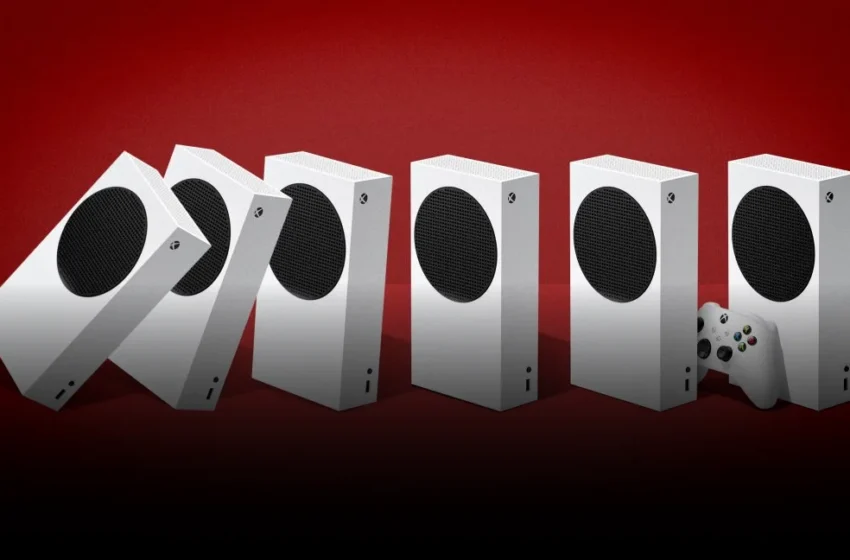
Microsoft is reportedly projecting a groundbreaking price range of $1,200 to $1,800 for its Project Helix console, expected for a holiday 2028 release, signaling a profound shift towards a premium-tier in US console gaming. This internally projected cost, revealed by Fortune, challenges traditional console affordability and reflects escalating hardware expenses driven by technological advancements and supply chain pressures, fundamentally reshaping consumer expectations for next-generation platforms.
This ambitious pricing strategy isn’t just a number; it’s a statement about the future of high-end entertainment in American households. With current top-tier gaming systems already pushing boundaries, Microsoft’s Project Helix appears poised to redefine the console market as a luxury segment, demanding a significant investment from dedicated enthusiasts and tech-forward consumers. The implications extend beyond pricing, touching on software monetization, service integration, and the overall value proposition Microsoft will need to articulate for such a high-stakes entry.
Why is Microsoft Projecting Such a High Price for Helix?
The reported $1,200 to $1,800 price tag for Project Helix stems from several critical economic and technological factors impacting the gaming hardware industry. For years, console manufacturers often subsidized hardware costs, selling devices at or near production cost to profit from software sales, subscriptions, and accessories. However, the economics have evolved dramatically.
One primary driver is the significant slowdown of Moore’s Law, the long-held observation that the number of transistors in an integrated circuit doubles approximately every two years. This slowdown means that achieving performance leaps now requires more expensive R&D and manufacturing processes, rather than simply waiting for chip density to improve at lower costs. Consequently, each new generation of processors and GPUs becomes incrementally more expensive to design and produce.
Furthermore, the global demand for advanced semiconductors, particularly those critical for artificial intelligence (AI) applications, has created unprecedented component shortages and driven up prices. High-performance memory, specialized AI accelerators, and cutting-edge fabrication processes are now fiercely contested resources, making it more costly for gaming companies like Microsoft to procure the components necessary for a console expected to deliver top-tier experiences by 2028, according to the Fortune report.
The Shifting Landscape of US Gaming Hardware Costs
Project Helix’s projected price, while unprecedented for a mainstream console, is not entirely out of step with the recent trajectory of high-end gaming hardware. The sub-$500 console has largely become a relic for cutting-edge machines, especially as PC gaming components continue to climb.
Consider the market precedents: the Steam Machine, a PC-like gaming device, has already broken the $1,000 starting price point. Even consoles with technology that isn’t brand new command significant sums. The current PlayStation 5 Pro, featuring technology approximately two years old at the time of the Fortune report, carries a $900 price tag. Similarly, the six-year-old Xbox Series X now starts at $750, a clear indication of market revaluation over time and component scarcity.
Microsoft’s internal projections, as noted by Fortune, indicate this baseline cost, though the company could choose to subsidize a portion of it for consumers. Such subsidies, common in past console generations, would represent a strategic decision to prioritize market share over immediate hardware profit, potentially making the device more palatable to a broader US audience despite its premium internal cost.
| Device | Approx. Tech Age (at report) | Starting Price (USD) |
|---|---|---|
| Microsoft Project Helix (Projected) | Next-Gen (2028) | $1,200 – $1,800 |
| Steam Machine | Variable | >$1,000 |
| PlayStation 5 Pro | 2 years old | $900 |
| Xbox Series X | 6 years old | $750 |
What Does This Mean for US Gamers and the Console Market?
For American gamers, a Project Helix with a four-figure price tag means a fundamental reconsideration of how they engage with console gaming. This isn’t just an incremental upgrade; it’s a leap into an ultra-premium segment. Consumers will expect unparalleled performance, graphical fidelity, and potentially exclusive features or services to justify such an investment.
This pricing strategy could splinter the US console market further. On one end, there will be the high-fidelity, high-cost segment catering to enthusiasts and early adopters with disposable income. On the other, the demand for more affordable, mid-range, or cloud-streamed gaming options will likely intensify. Microsoft itself already offers the Xbox Series S as a lower-cost entry point, and this two-tiered strategy may become even more pronounced with Helix.
Competitors like Sony will be closely watching. If Microsoft successfully establishes a market for a $1,200+ console, it could prompt other manufacturers to follow suit with their own high-end offerings, potentially accelerating the overall price creep for next-generation systems. Conversely, it might push rivals to double down on more accessible price points, creating a clearer differentiation in the market.
Beyond the Console: Microsoft’s Handheld Strategy
In addition to the Project Helix console, Fortune’s profile of Xbox CEO Asha Sharma alludes to a dual release strategy that includes a next-generation handheld device planned by the end of next year. While details are scarce, this move suggests Microsoft is aiming for a comprehensive ecosystem, offering both a stationary, top-tier home console experience and a portable gaming solution for US consumers on the go.
A handheld device, if positioned correctly, could serve as a more accessible entry point into the Xbox ecosystem, perhaps leveraging cloud gaming capabilities to stream Project Helix-level titles without requiring the full console investment. This strategy mirrors Nintendo’s success with the Switch and Valve’s entry with the Steam Deck, indicating Microsoft’s intent to capture a wider range of gaming preferences across different hardware form factors.
Key Takeaways for US Tech Consumers
- Microsoft’s Project Helix console is projected to cost $1,200 to $1,800, setting a new premium benchmark for gaming hardware.
- This high price reflects increasing component costs, the slowdown of Moore’s Law, and AI-driven supply chain pressures.
- The US console market is likely shifting towards more expensive, high-performance devices, following trends seen in PC gaming and other premium hardware.
- Microsoft may opt to subsidize the final consumer price, a common industry practice, to increase market accessibility.
- A complementary next-generation Xbox handheld device is anticipated by the end of next year, expanding Microsoft’s gaming hardware ecosystem.
FAQ:
Will Microsoft Project Helix be available in the US?
Yes, Project Helix is expected to be a major release for Microsoft, targeting the US market for its holiday 2028 launch. The company’s pricing strategy and ecosystem development are inherently focused on its core consumer bases, including American tech professionals and gaming enthusiasts.
Why are console prices increasing so dramatically?
Console prices are rising due to several factors, including the increasing cost of advanced components, a slowdown in the traditional cost efficiencies predicted by Moore’s Law, and global supply chain challenges exacerbated by high demand for AI-related semiconductors. These pressures make cutting-edge gaming hardware more expensive to produce.
How does Project Helix’s price compare to current consoles?
Project Helix’s projected price of $1,200 to $1,800 is significantly higher than current high-end consoles. For comparison, the PlayStation 5 Pro (with two-year-old tech) costs $900, and the Xbox Series X (with six-year-old tech) starts at $750, indicating a substantial jump for Microsoft’s next-generation offering.
