
GM Doubles Down on EVs and Autonomy, Defying ‘Malaise 2.0’ Fears for American Mobility
- Electric Mobility
Arjun Vedanta
- 0
- 8 minutes read
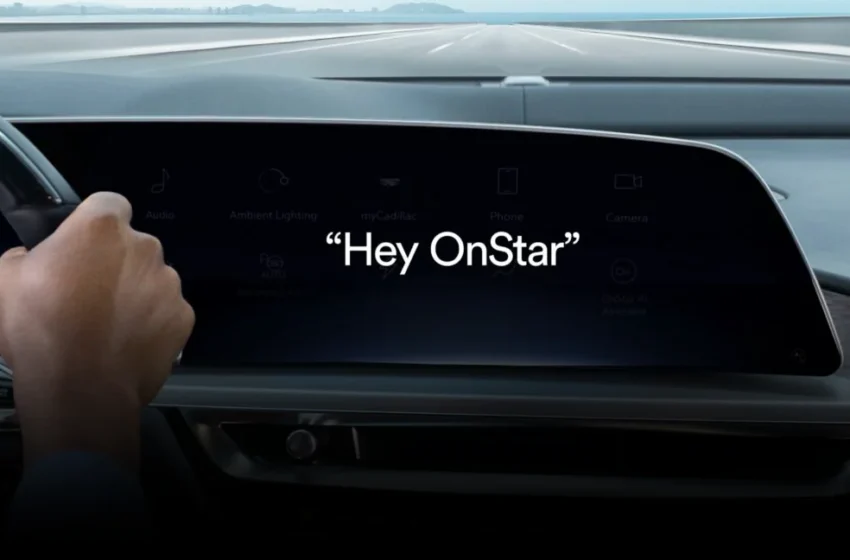
General Motors (GM) is firmly committing to an electrified and autonomous future for American drivers, countering industry skepticism with expanded Super Cruise availability across nearly its entire lineup. This strategic doubling down, despite a volatile EV market, signifies GM’s long-term vision to transform US mobility through advanced technology, improved vehicle quality, and efficient development processes. The company’s stance aims to dispel any notions of a "Malaise 2.0" era in the American auto industry.
At its recent GM Forward event, executives articulated a clear path forward, emphasizing that their commitment to electric vehicles and self-driving technologies remains steadfast. This is particularly relevant for the American market, where consumers and businesses face evolving choices in transportation and logistics. GM’s strategy focuses on delivering practical, accessible, and technologically advanced solutions that address real-world needs, from daily commutes to long-haul freight.
Navigating the EV Transition: GM’s Stance Amidst Market Shifts
The conversation around electric vehicles in the US has become complex, often characterized by concerns over charging infrastructure, purchase price, and range anxiety. Some observers have even voiced fears of a "Malaise 2.0," referencing the economic stagnation and energy crises of the 1970s, suggesting a potential slowdown in America’s transition to electric mobility. This sentiment is fueled by fluctuating gasoline prices, supply chain disruptions, and the recent expiration of certain federal EV tax credits.
However, GM’s leadership is actively pushing back against this narrative. They assert that the company’s long-term vision for electrification, autonomy, and vehicle quality remains unwavering. This isn’t merely about hitting sales targets; it’s about establishing a robust ecosystem that makes EVs appealing and practical for a broader American demographic. By focusing on quality and efficiency, GM aims to build consumer confidence and integrate EVs seamlessly into daily life across the United States.
The company’s approach underscores a belief that the foundational shift towards electrification is irreversible, despite short-term market adjustments. Investing heavily in domestic battery production, charging partnerships, and diverse EV models across various segments—from performance vehicles to work trucks—demonstrates a comprehensive commitment. This long-term view is critical for securing a competitive edge against both traditional rivals and emerging EV startups in the US automotive landscape.
Super Cruise Expansion: Driving Towards Widespread Autonomy
A cornerstone of GM’s future vision is the dramatic expansion of its hands-off, eyes-off advanced driver-assistance system, Super Cruise. The company announced that this technology will now be available on nearly every vehicle across its lineup. This means Super Cruise will extend beyond luxury models like the Escalade IQ to include popular American segments such as pickup trucks and crossovers, making advanced autonomy more accessible to mainstream buyers.
Sterling Anderson, GM’s head of product, revealed the impressive scale of their testing efforts. Super Cruise technology is being tested to the tune of 1 million miles (1.6 million km) a month, encompassing both virtual simulations and real-world road tests. This rigorous validation process is designed to ensure the system’s safety, reliability, and performance across diverse driving conditions found in the United States, from bustling city streets to vast interstate highways.
For American drivers, this widespread deployment of Super Cruise offers significant benefits. It can reduce driver fatigue on long journeys, enhance safety through advanced sensor arrays and precise control, and redefine the driving experience by allowing for more relaxed travel. The system represents a tangible step towards a future where vehicles can handle significant portions of the driving task, freeing up driver attention for other activities or simply enjoying the ride.
Beyond the Dashboard: The Broader Vision for American Mobility
GM’s strategic goals extend far beyond merely selling electric cars and equipping them with advanced driver-assistance systems. The company is committed to transforming the entire concept of mobility in the US. Its overarching objectives are clear: relentless pursuit of electrification, widespread adoption of autonomy, continuous improvement in vehicle quality, and a significant reduction in development time for new models.
The ultimate aspiration for autonomous vehicles, as outlined by GM, is profound: "not only would the vehicle be able to take you places, but it could go and do things for you." This vision implies a future where vehicles are not just personal transport but active participants in daily tasks. Imagine a scenario where a vehicle could autonomously pick up groceries, drop off packages, or even serve as a mobile office, fundamentally altering how Americans interact with transportation and services.
This broader vision has significant implications for the American economy. It could foster new industries, create jobs in areas like software development, data analytics, and specialized maintenance for autonomous fleets, and enhance efficiency across sectors like logistics and last-mile delivery. The convergence of electrification and autonomy positions GM to be a key player in shaping the future of smart cities and connected infrastructure throughout the United States.
Why GM’s Strategy Matters to American Consumers and Businesses
GM’s steadfast commitment has direct and tangible impacts for both American consumers and businesses. For the everyday driver, the expansion of Super Cruise into more affordable vehicle segments democratizes access to cutting-edge technology that was once exclusive to premium vehicles. This means safer, more convenient, and potentially less fatiguing travel for a larger cross-section of the population.
Businesses, particularly those involved in logistics, transportation, and ride-sharing, stand to benefit from the efficiency and potential cost savings offered by autonomous and electric fleets. Reduced fuel costs, lower maintenance requirements for EVs, and the optimization of routes and driving times through autonomous features can significantly impact operational overheads. Furthermore, GM’s investment in domestic manufacturing and supply chains for EVs supports American jobs and strengthens the national industrial base.
This strategy also aligns with broader US policy objectives, including reducing carbon emissions and enhancing national energy independence. Federal initiatives, such as the Bipartisan Infrastructure Law, which allocates billions for EV charging infrastructure, implicitly support GM’s long-term investments. By focusing on innovation and widespread adoption, GM is actively contributing to America’s technological leadership and economic competitiveness on the global stage.
- Key Takeaways:
- GM is committed to a long-term strategy of electrification and autonomy, pushing past short-term market uncertainties.
- Super Cruise, GM’s advanced driver-assistance system, is expanding to nearly all vehicles, democratizing hands-off driving technology for US consumers.
- Rigorous testing, including 1 million miles (1.6 million km) per month, underscores GM’s focus on safety and reliability for its autonomous features.
- GM envisions autonomous vehicles capable of performing tasks beyond mere transport, opening new economic and service opportunities.
- The strategy promises significant benefits for American consumers in safety and convenience, and for businesses in efficiency and operational cost reduction.
What is GM’s main focus for the future?
GM’s main focus is a transformative shift towards electrification, widespread adoption of autonomous driving technologies, continuous improvement in vehicle quality, and streamlining its development processes to bring innovations to market faster. This holistic approach aims to redefine American mobility.
What is Super Cruise and where will it be available?
Super Cruise is GM’s hands-off, eyes-off advanced driver-assistance system, allowing for assisted highway driving. It will be available on nearly every vehicle across GM’s lineup, including popular American segments like pickup trucks and crossovers, not just premium models.
How is GM testing its autonomous technology?
GM is rigorously testing its Super Cruise technology by accumulating 1 million miles (1.6 million km) of data per month. This extensive validation includes both virtual simulations and real-world road tests to ensure the system’s safety and effectiveness across diverse driving conditions.
