
China’s Deep-Sea Play Threatens US Undersea Cables: A Looming Risk for Google, Meta, and American Data
- Government & Policy
Arjun Vedanta
- 0
- 9 minutes read
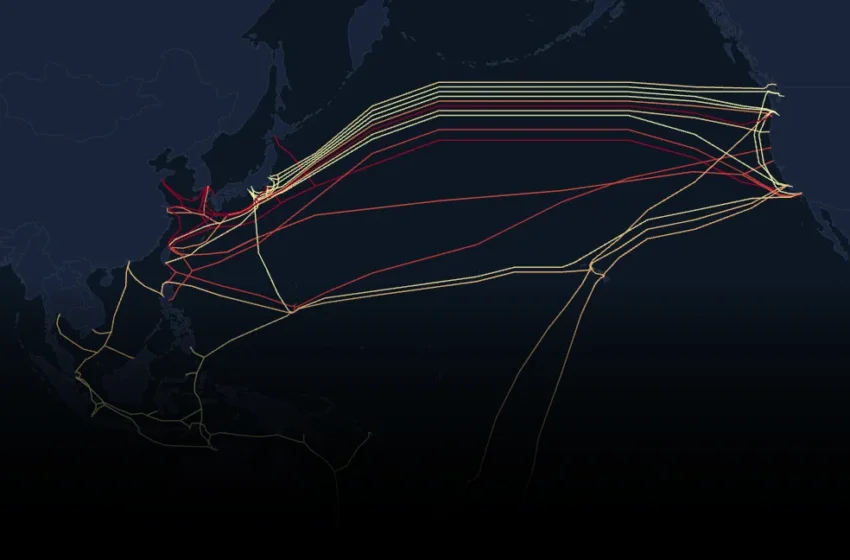
The Invisible Lifeline: Why Undersea Cables Matter
The vast network of undersea fiber optic cables forms the indispensable backbone of the global internet, quietly carrying over 99 percent of international data traffic. For American tech giants like Google and Meta, these subsea cables are not just infrastructure; they are the arteries through which their global operations flow, connecting vast data centers and enabling critical services for billions of users worldwide.
These silent conduits, often no thicker than a garden hose, crisscross the ocean floor, linking continents and ensuring the seamless operation of cloud computing, financial transactions, streaming media, and every facet of modern digital life. The data traversing these cables includes everything from classified government communications and sensitive corporate intellectual property to your family’s video calls and the latest viral social media content. The resilience and security of this infrastructure are paramount for national security, economic stability, and the daily lives of every American reliant on digital services.
China’s Gray Zone Play: Escalating Threats to Global Connectivity
A forthcoming report commissioned by the US-China Economic and Security Review Commission, slated for publication in September 2026, highlights growing concerns that Chinese research ships are spending an extraordinary amount of time surveying undersea cables in the Pacific. This activity, coupled with investigations into Chinese commercial ships allegedly cutting cables in European and Asian waters, raises significant alarm bells about potential deep-sea sabotage. Such actions fall squarely into what analysts term “gray zone tactics”—aggressive behaviors that skirt the line of direct military confrontation, designed to exert influence or destabilize rivals without triggering open warfare.
While accidental damage from fishing nets or ship anchors accounts for most cable outages, the recent rise in international tensions has brought new scrutiny to more suspicious incidents. The deliberate tampering or severing of these critical conduits could have profound consequences, far beyond temporary internet slowdowns. Such acts could cripple communication, disrupt financial markets, and create widespread panic, targeting the very foundation of modern societies.
The China Strategic Risks Institute, a London-based think tank, was contracted to develop this detailed risk assessment. Their findings underscore a deliberate and calculated approach by China to potentially exploit vulnerabilities in global internet infrastructure, directly challenging the reliance of nations and major corporations on these undersea links.
American Data at Risk: The Stakes for Google, Meta, and Beyond
For US companies like Google and Meta, which own and operate significant portions of the global subsea cable network, this heightened threat landscape represents a direct risk to their core business models and the security of American user data. These firms invest billions of dollars into laying and maintaining these cables, recognizing their strategic importance.
- Data Security and Privacy: A compromised cable could expose sensitive user data, intellectual property, or critical business information to interception or manipulation. While data is typically encrypted, physical access to the cable or its landing stations introduces new vectors for attack.
- Economic Disruption: Any significant disruption could sever crucial business links, impacting stock markets, cloud services, and international trade. US businesses, from tech startups to established financial institutions, rely on instantaneous global connectivity.
- Geopolitical Leverage: The ability to disrupt internet connectivity grants significant geopolitical leverage. If China could selectively degrade or disable US-owned cables, it could hamper US military communications, intelligence gathering, or economic competitiveness during a crisis.
- Supply Chain Vulnerabilities: The construction and maintenance of these cables involve complex global supply chains. Dependencies on components or services from potentially adversarial nations could introduce backdoors or points of failure.
The Pacific Ocean, in particular, is a region of immense strategic importance, not only for trade routes but also for the critical data pathways connecting North America to Asia. The extensive surveying activities by Chinese ships in this region directly threaten the reliability and integrity of these vital connections.
Securing the Depths: US Responses and Future Resilience
The US government and its tech industry partners are acutely aware of these vulnerabilities and are actively pursuing strategies to enhance the security and resilience of undersea cable infrastructure. This multi-faceted approach involves both technological advancements and diplomatic efforts.
| Strategy | Description | Impact for US |
|---|---|---|
| Route Diversification | Laying new cables along varied, less vulnerable paths. | Reduces single points of failure, ensures alternative pathways for data. |
| Physical Protection | Burying cables deeper, using armored cables in high-risk zones. | Increases resistance to accidental and deliberate damage. |
| Monitoring & Surveillance | Enhanced satellite and sonar monitoring of cable routes. | Early detection of suspicious activity near critical infrastructure. |
| International Collaboration | Partnering with allies on shared security protocols and investment. | Strengthens collective defense, shares burden of protection. |
| Policy & Legislation | Developing robust policies for cable protection and enforcement. | Provides legal framework for safeguarding national assets. |
US agencies, including the Department of Defense and the Department of Homeland Security, are collaborating with private sector entities like Google and Meta to develop comprehensive security frameworks. This includes investing in advanced detection technologies and considering stronger international legal instruments to deter cable tampering. The goal is not just to respond to incidents but to proactively safeguard this critical infrastructure against sophisticated, state-sponsored threats.
Building true resilience means not just hardening individual cables, but creating a mesh network that can withstand significant localized disruptions without collapsing the entire system. This includes investing in domestic manufacturing capabilities for cable components to reduce reliance on foreign supply chains, an effort that resonates with broader US policy goals of economic self-sufficiency and national security.
The Path Forward
The escalating threat to undersea cables demands a sustained and collaborative response. For US tech companies and the government, this means increased investment in security, robust international partnerships, and a clear strategic vision for safeguarding the invisible infrastructure that powers modern life. The stability of the internet, and by extension, the prosperity and security of the United States, hinges on these efforts.
- Prioritize Resilience: Future cable projects must heavily emphasize diverse routing and enhanced physical protection.
- Boost Monitoring: Increased surveillance of critical cable routes is essential to detect and deter suspicious activities.
- Strengthen Partnerships: Collaborative efforts with allied nations are vital for a unified defense against gray zone tactics.
- Innovate Security: Investment in new technologies for both cable protection and threat detection is paramount.
Frequently Asked Questions About Undersea Cable Security
Why are undersea cables so important to the United States?
Undersea cables are the primary conduits for nearly all international digital communications, making them vital for US economic activity, national security operations, and the daily digital lives of American citizens. US companies like Google and Meta rely on them to connect their global services and data centers, facilitating everything from financial transactions to social media interactions.
What are “gray zone tactics” in the context of undersea cables?
Gray zone tactics refer to actions that fall short of outright military conflict but are designed to achieve strategic objectives, such as coercion or destabilization. In the context of undersea cables, this includes activities like extensive surveying by foreign research ships, suspected cable cutting by commercial vessels, or other forms of harassment that disrupt or threaten critical internet infrastructure without triggering a direct military response.
How do US tech companies like Google and Meta protect their undersea cables?
US tech companies invest heavily in a multi-layered approach to protect their undersea cables. This includes laying cables along diverse and redundant routes, using armored cables in high-risk areas, burying sections of cables deeper, and implementing advanced monitoring systems. They also collaborate with governments and international partners to share intelligence and coordinate security measures.
