
New World Screwworm Spread Exposes US Biosecurity Gaps, Demands Tech Solutions
- Government & Policy
Arjun Vedanta
- 0
- 8 minutes read
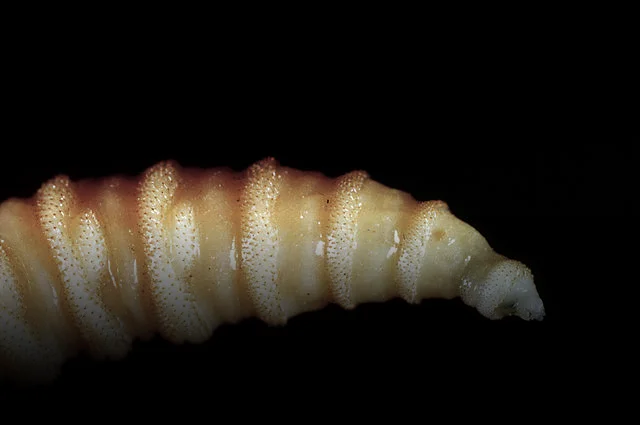
The recent spread of New World Screwworms (NWS) into Arizona, marking the third affected US state with 74 animal cases identified since June, underscores critical vulnerabilities in American biosecurity protocols. This re-emergence of a previously eradicated pest demands an urgent re-evaluation of current defenses and highlights the potential for advanced technological solutions, including enhanced surveillance and genetic modification, to safeguard vital agricultural and public health interests across the nation.
For American livestock producers, pet owners, and border security agencies, the return of the New World Screwworm is a significant and disturbing development. This insidious parasite, known for its voracious larvae that consume living flesh, was officially eradicated from the United States in the 1960s and early 1970s through a concerted, government-led campaign. Its re-establishment now, impacting states like Texas, New Mexico, and most recently Arizona, represents a substantial threat to the nation’s agricultural economy and animal welfare, forcing a renewed focus on prevention and high-tech countermeasures.
What Does the New World Screwworm Threat Mean for American Agriculture?
The New World Screwworm (Cochliomyia hominivorax) is far more than just a nuisance; it’s an economic devastator and a severe animal welfare concern. Female screwworm flies lay hundreds of eggs in open wounds or moist orifices of warm-blooded animals, including cattle, sheep, goats, horses, and even domestic pets. The resulting larvae, or maggots, are uniquely adapted to burrow and feed exclusively on living tissue, causing deep, painful lesions that can lead to severe infections, debilitation, and often death if left untreated. According to the original source, 74 animal cases have been identified in the US since the flies re-invaded the country in June.
For the American livestock industry, the implications are dire. An unchecked screwworm population can decimate herds, leading to billions of dollars in economic losses annually from animal mortality, reduced productivity, and increased veterinary costs. The U.S. Department of Agriculture (USDA) previously invested heavily in eradication efforts precisely because of this profound economic threat. The current spread necessitates immediate and aggressive intervention to prevent the parasite from establishing endemic populations that could cripple regional agricultural sectors.
Beyond livestock, pet owners in affected states face the horrifying prospect of their animals becoming victims. Dogs and cats, especially those with minor cuts or even tick bites, can quickly become infested. While less common, human cases can also occur, emphasizing the broad public health concern associated with this re-emerging pest. The USDA and state agricultural departments are working to manage the current outbreaks through quarantines and localized treatment, but long-term solutions require a more robust strategy.
Reinforcing Biosecurity: Where Are the Gaps in Preventing Screwworm Re-entry?
The re-emergence of New World Screwworms raises critical questions about the integrity of US biosecurity at its borders and within its internal systems. For decades, a sterile insect technique (SIT) program, involving the aerial release of radiation-sterilized male screwworm flies, created a protective buffer zone in Central America, preventing northward migration. The current outbreaks suggest that this defensive perimeter has been breached, or that new pathways for introduction, such as infected animals or contaminated goods, are exploiting existing vulnerabilities.
Border regions, particularly along the southern states of Texas, New Mexico, and Arizona, present immense challenges for biosecurity. The vast and often remote terrain makes comprehensive surveillance difficult. While agricultural inspectors at official ports of entry play a crucial role, the sheer volume of cross-border movement, both human and animal, means that some vectors will inevitably slip through. Early detection is paramount; the longer an infestation goes unnoticed, the more challenging and expensive eradication becomes.
Furthermore, public awareness and reporting mechanisms are vital components of effective biosecurity. Residents in affected and neighboring areas must be educated on how to identify potential screwworm infestations in their animals and report them promptly to veterinary services or state agricultural authorities. A coordinated effort involving federal agencies, state governments, local communities, and the private sector is essential to create a resilient biosecurity framework capable of preventing future incursions.
Can Technology Halt the Spread? Innovative Approaches to Pest Control
Combating a biological threat like the New World Screwworm demands more than traditional methods; it requires leveraging cutting-edge technology. The original SIT program, effective in its time, could be significantly enhanced by modern scientific advancements. For instance, new genetic engineering techniques, such as CRISPR, offer the potential to create self-limiting screwworm populations that are even more effective than traditional sterilized flies. This could involve engineering male flies to produce offspring that cannot survive, offering a more targeted and environmentally friendly control method than broad pesticide application.
Advanced surveillance and artificial intelligence (AI) are also poised to revolutionize pest detection. Drones equipped with high-resolution cameras, multispectral sensors, and AI-powered image analysis can rapidly survey vast, remote areas that are inaccessible to human inspectors. These systems could potentially identify early signs of animal distress, open wounds indicative of infestation, or even locate screwworm population hotspots, providing actionable intelligence to ground teams. Predictive modeling, powered by AI, can also analyze environmental data and movement patterns to forecast areas at highest risk of infestation, allowing for proactive intervention rather than reactive responses.
Beyond surveillance, rapid diagnostic tools are crucial. Developing field-deployable DNA tests for screwworm identification would allow veterinarians and agricultural agents to confirm infestations quickly and accurately, speeding up response times and preventing misdiagnosis. Enhanced data sharing platforms, integrating information from federal agencies like the USDA with state agricultural departments and local veterinary clinics, could create a comprehensive, real-time picture of screwworm activity across the nation, enabling a more agile and coordinated response to outbreaks. The investment in these advanced technologies is not merely an expense but a critical safeguard for the future health of American agriculture.
Conclusion
The re-emergence and spread of the New World Screwworm in the United States serves as a stark reminder of the persistent challenges to national biosecurity. The battle against this voracious parasite is not just about containing an immediate threat but about establishing a more resilient defense against future biological incursions. By embracing advanced technological solutions—from genetic engineering to AI-powered surveillance—and fostering robust collaboration across government, industry, and the public, the U.S. can develop the sophisticated tools and strategies necessary to protect its agricultural economy, animal welfare, and public health from this and other emerging biological threats.
- Increased Vigilance: The NWS spread highlights the urgent need for heightened biosecurity measures at US borders and within affected regions.
- Economic Impact: Uncontrolled screwworm infestations pose a severe economic threat to the American livestock industry.
- Technological Imperative: Advanced solutions like genetic modification, AI-powered surveillance, and rapid diagnostics are crucial for effective control and eradication.
- Collaborative Effort: Success relies on strong collaboration between federal agencies (e.g., USDA), state governments, and public awareness.
FAQ
What are New World Screwworms?
New World Screwworms (Cochliomyia hominivorax) are parasitic flies whose larvae, or maggots, feed exclusively on the living flesh of warm-blooded animals, including livestock, pets, and occasionally humans. They lay eggs in open wounds, and the resulting maggots burrow deep, causing severe tissue damage and potentially death.
Which US states are currently affected by NWS?
As of recent reports, New World Screwworms have spread to three US states: Texas, New Mexico, and Arizona. There have been 74 animal cases identified across these regions since the re-invasion began in June.
How do New World Screwworms affect animals and humans?
In animals, NWS maggots infest wounds, causing painful lesions, secondary infections, and tissue destruction, which can lead to severe illness or death if untreated. While rare, humans can also become infested if they have open wounds, though animal cases are far more common and represent the primary economic and welfare threat.
What technologies are being explored to combat NWS?
To combat NWS, innovative technologies include advanced genetic modification techniques (like CRISPR) to enhance sterile insect programs, AI-powered drones for wide-area surveillance and early detection, and rapid, field-deployable DNA diagnostic tests. These tools aim to improve detection, control, and prevent future outbreaks more effectively.
