
Beyond the Screen: Why Elizabeth Holmes’ Film Misses the Deeper Silicon Valley Accountability Lessons
Arjun Vedanta
- 0
- 9 minutes read
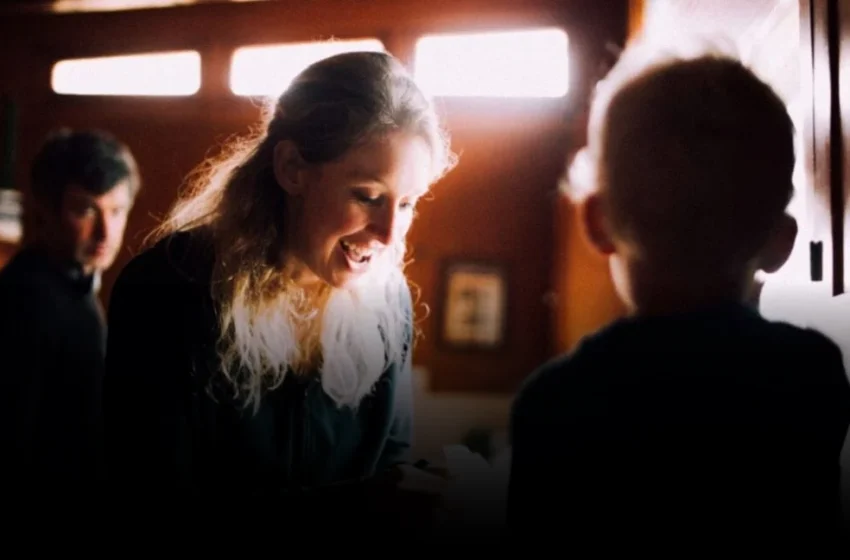
The Cinematic Gaze vs. Systemic Scrutiny
While the new film You Can See Everything documents Elizabeth Holmes’ final days before prison with artistic flair, its critical reception, often focusing on its surreal elements rather than substantive insight, inadvertently spotlights a persistent vulnerability within Silicon Valley: the seductive power of narrative over rigorous due diligence and the enduring challenge of achieving genuine Silicon Valley accountability for past failures.
The saga of Elizabeth Holmes and Theranos remains a cautionary tale in American tech. In 2015, Holmes was lauded as the youngest and richest self-made female billionaire, her company, Theranos, reaching a staggering $9 billion valuation, all built on the promise of a revolutionary blood-testing device. This meteoric rise, however, disintegrated under accusations of fraud, culminating in her conviction on four counts and an 11-year prison sentence. Now, the co-directed work by Nathan Fielder and Lance Oppenheim brings Holmes back into the public discourse, yet its artistic approach risks obscuring the crucial systemic questions that her story poses for the US tech industry.
The Allure of the ‘Visionary’: A Persistent Silicon Valley Blind Spot
Silicon Valley has always fostered a unique culture, one that often prioritizes bold vision and disruptive ambition above all else. This environment, while fueling genuine innovation, can also create blind spots, particularly when a charismatic founder like Holmes captures the imagination of investors and the public. The narrative of the young, brilliant entrepreneur defying convention is deeply embedded in the American psyche, making it challenging for even seasoned professionals to differentiate between genuine breakthroughs and cleverly packaged hype.
Theranos capitalized on this cultural predisposition. The company’s promise of a device that could perform hundreds of tests from a few drops of blood was revolutionary, tapping into the desire for accessible, affordable healthcare technology. This vision, combined with Holmes’ compelling persona – her deep voice, black turtlenecks, and unwavering confidence – allowed Theranos to secure significant funding and partnerships, largely bypassing the traditional scientific and regulatory scrutiny that should accompany medical technology. The company’s impressive $9 billion valuation at its peak wasn’t just a number; it represented the collective belief in a potent narrative.
You Can See Everything, despite its “unprecedented access,” has been critiqued for its “surprising shallowness,” yielding “very little fresh or novel insight” into Holmes herself or the mechanisms of her deception. This artistic choice, while potentially making for a compelling film, falls short for an audience seeking a deeper understanding of the tech ecosystem’s failures. For US tech professionals, the critical question isn’t just about Holmes’ personal motivations, but about the systemic flaws that allowed Theranos to thrive for so long: the venture capital firms that invested without adequate due diligence, the board members who failed in their oversight, and the media that initially amplified the hype without sufficient critical analysis.
Beyond the Artistic Lens: What the Film Misses for Tech Accountability
The film’s focus on Holmes’ final days, framed as a “surreal, absurdist piece,” may entertain, but it risks sidestepping the uncomfortable truths that Silicon Valley still grapples with. For TechTicle’s readership, the real story isn’t just the personal tragedy of Holmes, but the broader implications for ethical conduct, corporate governance, and investor responsibility within the American technology sector. A purely artistic lens, however innovative, can sometimes flatten the complex interplay of factors that lead to such colossal failures.
Consider what a deeper dive into the Theranos saga could offer, beyond a character study. It could dissect the specific mechanisms by which due diligence failed, investigate the pressures within venture capital to chase “unicorns” at all costs, or analyze the regulatory loopholes exploited by the company. These are the kinds of insights that truly contribute to Silicon Valley accountability and help prevent future Theranos-like scenarios. The film’s critical reception, with some declaring it the “best film of the year,” while perhaps merited artistically, signals a potential distraction from this crucial analytical work.
To illustrate the divergence between artistic focus and analytical need, consider the following:
| Film’s Reported Focus (You Can See Everything) | Desired Tech Industry Analysis |
|---|---|
| Elizabeth Holmes’ personal demeanor and final days | Systemic failures in board governance and and oversight |
| Artistic portrayal of a surreal, absurd narrative | Breakdown of venture capital due diligence processes |
| “Surprisingly shallow” insight into Holmes’ motivations | Regulatory challenges for disruptive health tech |
| Focus on entertainment and awards-season buzz | Ethical frameworks for startup growth and validation |
The Persistent Echo: Hype, Due Diligence, and the Future of US Tech
The lessons from Theranos are not confined to 2015. The American tech landscape continues to see rapid cycles of hype, particularly in emerging fields like artificial intelligence, biotech, and sustainability. While innovation is vital, the Theranos collapse serves as a stark reminder that impressive narratives and bold claims must always be met with rigorous technical and financial scrutiny. For instance, the current AI boom, while promising, also presents scenarios where companies can oversell capabilities or operate in regulatory gray areas.
For US investors, engineers, and entrepreneurs, the takeaway is clear: the foundational principles of science, ethics, and transparency must never be sacrificed at the altar of accelerated growth or perceived disruption. Venture capitalists must insist on independent validation of technologies, engineers must adhere to professional ethics even under pressure, and founders must build cultures of honesty, not just ambition. This requires a cultural shift where skepticism is seen not as an impediment to innovation, but as its essential safeguard.
The role of regulatory bodies, such as the Food and Drug Administration (FDA) and the Securities and Exchange Commission (SEC), is also paramount. Theranos’s ability to operate for years with an unproven device highlights gaps that need addressing. Clearer guidelines, proactive oversight, and robust enforcement are critical to protecting consumers and investors, ensuring that medical devices, for example, undergo appropriate clinical trials before market introduction, a standard Theranos largely circumvented.
Conclusion: Embracing a Critical Lens for Real Progress
While You Can See Everything offers a new artistic interpretation of Elizabeth Holmes’ story, its reception suggests a need for the tech community to remain vigilant. The ultimate value of Holmes’ saga lies not in its entertainment potential, but in its capacity to provoke introspection and drive genuine reform within Silicon Valley. Only by critically examining the systemic failures can the industry truly move forward, fostering responsible innovation and upholding the trust of the American public.
- Hype Cycle Vulnerability: Silicon Valley remains susceptible to the allure of charismatic founders and exaggerated promises, underscoring the ongoing need for robust skepticism.
- Due Diligence Imperative: The Theranos case highlights critical failures in venture capital due diligence and corporate governance that demand systemic improvement.
- Beyond Personal Narrative: Focusing solely on individual personalities, as the film may lean toward, risks overshadowing deeper, more impactful lessons about industry ethics and regulatory oversight.
- Regulatory Strengthening: The saga underscores the necessity for proactive regulatory frameworks and enforcement, particularly for disruptive health technologies.
- Cultural Shift Needed: A sustained cultural shift is required where transparency, scientific validation, and ethical conduct are prioritized over unchecked ambition and rapid growth.
FAQs for US Tech Professionals
What were the key financial details of Theranos?
At its peak in 2015, Theranos was valued at an astonishing $9 billion. Elizabeth Holmes, its founder, was celebrated as the youngest and richest self-made female billionaire. This valuation was based largely on the promise of its blood-testing technology, which ultimately proved to be fraudulent.
What specific charges was Elizabeth Holmes convicted of?
Elizabeth Holmes was convicted on four counts related to defrauding investors. These charges included three counts of wire fraud and one count of conspiracy to commit wire fraud. She was subsequently sentenced to 11 years in prison for her role in the Theranos scheme.
How does the Theranos case inform current Silicon Valley investment practices?
The Theranos case significantly amplified calls for increased due diligence from venture capitalists and other investors. It emphasized the importance of independent scientific and technical validation for startups, especially those in highly regulated sectors like biotech, rather than solely relying on a charismatic founder’s narrative or speculative market potential. This has led to a greater focus on governance and transparency within portfolio companies.
