
Microsoft’s Surface Laptop Ultra Challenges Fragmented PC Market Amidst High Costs
- Hardware
Arjun Vedanta
- 0
- 8 minutes read
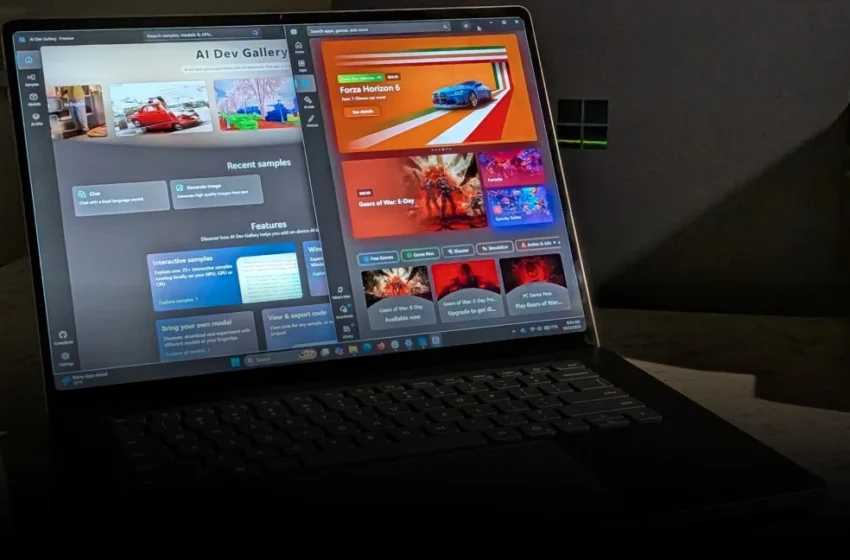
Microsoft’s new Surface Laptop Ultra, powered by the Nvidia RTX Spark platform, arrives as a bold proposition to consolidate the disparate computing needs of US professionals and enthusiasts into a single, powerful device. This ambition directly addresses a US market grappling with inflated component prices, a 20 percent year-over-year decline in PC shipments in the third quarter of 2026, and the growing demand for local AI capabilities.
The device aims to be a singular high-performance machine, capable of running a 70-billion-parameter AI model and AAA games with surprising fidelity for an ARM-based system, according to early reports. Microsoft is positioning it directly against Apple’s MacBook Pro, targeting a ‘high performance audience’ that typically juggles multiple specialized computers. This strategy seeks to redefine value for American consumers by offering a comprehensive solution in an increasingly complex and costly tech landscape.
Why Microsoft’s ‘One Machine’ Vision Resonates Now
The personal computing market in the US is currently in flux, marked by two significant trends: a notable contraction in overall shipments and a surge in component costs, famously dubbed the ‘RAMpocalypse.’ Industry numbers show a substantial 20 percent drop in total PC shipments year-over-year in the third quarter of 2026, impacting both consumer and enterprise sectors.
This downturn, combined with soaring prices for essential components like RAM due to supply chain issues and increased demand from data centers, has made purchasing new or upgrading existing PCs a significant financial hurdle for many Americans. Consumers are increasingly forced to choose between specialized machines for work, gaming, or creative tasks, each representing a considerable investment.
Microsoft’s vision for the Surface Laptop Ultra directly counters this fragmentation and cost pressure. By offering a machine designed to excel at demanding tasks across professional AI development, creative workflows, and high-end gaming, the company presents a compelling argument for a single, albeit premium, investment. This could streamline the digital lives of American users, reducing the need for multiple expensive devices and their associated complexities.
The Engine Under the Hood: Nvidia RTX Spark and AI Performance
At the heart of the Surface Laptop Ultra’s ambitious capabilities lies the new Nvidia RTX Spark platform. This choice signals Microsoft’s strong commitment to on-device AI processing and high-fidelity graphics, positioning the laptop not just as a productivity tool, but as a robust platform for the future of computing.
The ability to run a 70-billion-parameter AI model locally is a significant technical achievement. For US developers, data scientists, and researchers, this means faster iteration times, enhanced privacy (as data doesn’t need to leave the device), and the potential for new applications that rely on immediate, powerful AI inferencing. Creative professionals in fields like graphic design, video editing, and 3D rendering will benefit from accelerated workflows, with tasks like image generation and video rendering seeing substantial performance boosts.
Furthermore, the RTX Spark platform’s gaming prowess is critical to Microsoft’s ‘one machine’ philosophy. The source noted the laptop played AAA games at a speed and fidelity previously thought impossible on an ARM system. This integration means users no longer need to compromise between a powerful workstation and a dedicated gaming rig, making the Surface Laptop Ultra a true all-rounder for a demographic that values both professional capability and leisure entertainment.
Challenging Apple’s Dominance: The MacBook Pro Rivalry
Microsoft is unabashedly setting its sights on the MacBook Pro buyer, aiming to capture what it calls ‘a high performance audience.’ For years, Apple’s MacBook Pro line has been the default choice for many US creative professionals, developers, and power users, known for its premium build quality, robust performance, and optimized ecosystem.
The Surface Laptop Ultra directly challenges this stronghold by offering a comparable, if not superior, value proposition in terms of raw compute power and versatility. While MacBooks have integrated Apple’s powerful M-series chips for AI and graphics, the Nvidia RTX Spark platform brings a different flavor of high-performance computing, particularly strong in areas historically dominated by Nvidia GPUs, such as advanced gaming and certain AI frameworks.
For US consumers, this direct competition is a net positive. It forces both Microsoft and Apple to innovate further, potentially leading to more competitive pricing and a broader array of features. The Surface Laptop Ultra could attract users who prefer the Windows ecosystem and its extensive software compatibility but desire the premium performance and build quality typically associated with Apple’s higher-end machines.
Navigating a Shifting PC Landscape: What it Means for US Buyers
The launch of the Surface Laptop Ultra into a declining PC market reflects Microsoft’s confidence in a specific high-end segment. Rather than chasing volume in a price-sensitive market, the company is betting on customers willing to invest more for a truly versatile and future-proof device. This strategy aligns with the observed trend of an industry increasingly fixated on enterprise money, but with a unique consumer angle.
For American businesses, particularly startups and SMBs, a single, powerful laptop that can handle complex AI tasks, demanding development environments, and high-fidelity graphics could reduce IT complexity and costs associated with maintaining a fleet of specialized devices. For individual consumers, especially those working remotely or as digital nomads, the prospect of having one machine for both intensive work and entertainment is highly appealing.
The Surface Laptop Ultra represents a potential shift in how US consumers perceive PC value. Instead of optimizing for the lowest price point in a contracting market, Microsoft is pushing for a higher investment that promises unparalleled versatility and longevity. This could influence market trends, encouraging other manufacturers to focus on integrated, high-performance solutions rather than fragmented product lines.
Key Takeaways for US Consumers:
- Consolidated Value: The Surface Laptop Ultra offers a single device for high-performance computing, gaming, and advanced AI tasks, potentially reducing the need for multiple specialized machines.
- AI on Device: Its ability to run large AI models locally empowers developers and creatives with speed, privacy, and new capabilities directly on their laptop.
- MacBook Pro Rival: Microsoft’s direct challenge to Apple’s high-end laptops creates more competition and choice for premium device users in the US.
- Market Redefinition: Launched during a PC market downturn, the Ultra aims to redefine value by prioritizing versatility and high performance over budget-conscious segmentation.
What is the Surface Laptop Ultra?
The Surface Laptop Ultra is Microsoft’s new flagship laptop, designed to be a high-performance, all-in-one computing solution. It is powered by the Nvidia RTX Spark platform, enabling advanced AI processing and high-fidelity gaming on a single device.
What is the significance of the Nvidia RTX Spark platform?
The Nvidia RTX Spark platform is crucial for the Surface Laptop Ultra’s versatility, allowing it to efficiently handle demanding tasks like running a 70-billion-parameter AI model and playing AAA games. It signifies a major leap in integrating powerful AI and graphics capabilities directly into a portable form factor.
How does the Surface Laptop Ultra compare to a MacBook Pro?
The Surface Laptop Ultra is explicitly positioned by Microsoft as a direct competitor to the MacBook Pro, targeting a similar ‘high performance audience.’ It aims to offer comparable or superior capabilities for creative work, AI development, and gaming, providing a Windows-based alternative to Apple’s premium macOS ecosystem.
