
Porsche’s Mission S Supercar: A High-Margin Strategy Reshaping US Luxury Automotive
- Hardware
Arjun Vedanta
- 0
- 9 minutes read
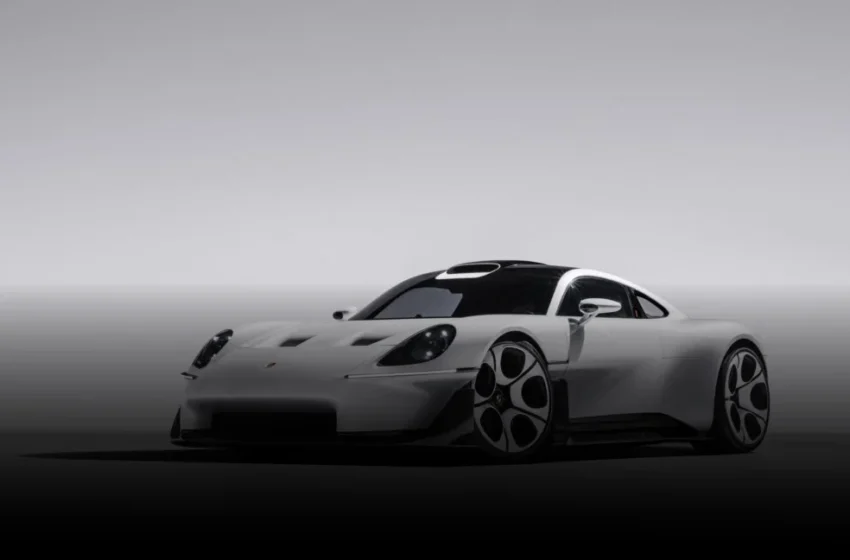
Porsche’s unveiling of the Mission S concept, a new mid-engined supercar poised to sit above the iconic 911, signals a deliberate strategic shift towards extreme exclusivity and higher profit margins, fundamentally reshaping its role in the competitive US luxury automotive market. This move aims to reverse recent financial declines, targeting double-digit margins by 2035, and implies a more aspirational, less accessible Porsche brand for American enthusiasts.
For decades, Porsche has balanced performance pedigree with a relatively broad appeal, particularly with the 911 and its more entry-level models like the Boxster and Cayman. However, the company recently experienced a drastic dip in its operating profit margin from an industry-leading 18 percent just three years ago to a mere 1 percent last year, according to its internal reports. This stark financial reality is driving the "Sportwagenschmiede ’35" strategy, which prioritizes "value over volume" and positions new, highly desirable models in the most profitable segments. The Mission S concept, showcased in New York, is the vanguard of this new era, aiming to boost average transaction prices and solidify Porsche’s standing among ultra-luxury brands.
Why Porsche is Doubling Down on Exclusivity in America
The decision to introduce a regular production supercar above the 911, rather than a limited-run hypercar like the Carrera GT or 918 Spyder, reflects a calculated risk to reposition Porsche at the apex of the luxury performance segment. This isn’t merely about adding another model; it’s about elevating the entire brand’s perceived value and profitability. The US market, being a crucial battleground for high-end vehicles, will keenly feel the effects of this strategic pivot.
Porsche Chairman Michael Leiters articulated this vision, stating, "We are pursuing a clear plan with our strategy Sportwagenschmiede ’35. The ultimate goal is to further strengthen our unique sports car brand–across all model lines and with new, highly desirable models in particularly high-margin segments." This sentiment underscores a focus on strengthening brand identity through aspirational products that command premium pricing and extensive customization options. Essentially, Porsche is banking on its brand cachet to justify significantly higher selling prices, optimizing revenue per unit rather than chasing sheer sales volume.
The US Market Consequence: A More Elite Porsche?
The most immediate consequence for American consumers and the US automotive landscape is a potential shift in what a "Porsche" represents. While the 911 has long been a dream car for many, this new mid-engined supercar, the Mission S, is designed to be an even more distant aspiration. It will likely compete directly with vehicles from Ferrari, McLaren, and high-spec Aston Martins, pushing Porsche into an even loftier price bracket where few buyers reside.
This strategy could make Porsche a more exclusive, less approachable brand for a segment of American enthusiasts who might have previously seen a 911 as an achievable long-term goal. While the 911 will remain, the spotlight on an even higher-tier vehicle subtly redefines the brand’s core. It risks alienating some long-term fans who appreciate Porsche’s heritage of engineering prowess across a broader range of performance vehicles.
Competitive Landscape and Dealer Impact
In the US, the luxury sports car market is intensely competitive. Brands like Lamborghini, Ferrari, McLaren, and even specialized offerings from Mercedes-AMG and BMW M, are constantly vying for the attention and dollars of affluent buyers. Porsche’s move with the Mission S aims to cement its position among the most exclusive players, differentiating itself not just on performance, but on unparalleled customization and a higher price point.
For US Porsche dealerships, this strategy could be a double-edged sword. While selling a new, ultra-high-margin supercar like the Mission S offers lucrative profit opportunities, the focus on "value over volume" could mean fewer overall units moved. Dealerships will likely need to adapt their sales strategies, focusing more on bespoke orders, white-glove customer service, and leveraging the halo effect of the Mission S to drive interest in other high-end models, rather than relying on volume sales of entry-level cars.
Economic Underpinnings: Why Profitability Trumps Volume
Porsche’s pivot to high-margin segments isn’t just about brand prestige; it’s a pragmatic response to intense economic pressures facing the global automotive industry. Developing new vehicles, especially complex performance cars, involves enormous research and development costs. Stricter emissions regulations, the transition to electric powertrains, and the ongoing investment in autonomous driving technologies all contribute to ballooning expenses.
By prioritizing profitability per vehicle, Porsche can generate the necessary capital to fund these expensive transitions and maintain its technological edge. The collapse in profit margins from 18 percent to 1 percent highlights the vulnerability of even premium automakers to market fluctuations and increased operational costs. A stable, double-digit margin by 2035, as targeted by the "Sportwagenschmiede ’35" plan, provides the financial resilience needed for future innovation and sustainable growth, especially as the industry navigates the costly shift to electric mobility.
The emphasis on greater individualization also plays a critical role. Offering extensive personalization options, from bespoke interior materials to unique paint finishes, allows manufacturers to significantly increase the price of a vehicle without proportional increases in production cost. This is a common tactic among ultra-luxury brands and is now being aggressively pursued by Porsche to maximize revenue from each sale.
Will American Enthusiasts Embrace a More Exclusive Porsche?
The success of the Mission S concept and the broader "Sportwagenschmiede ’35" strategy in the US will ultimately depend on how American consumers perceive this shift. Porsche has a loyal following, but that loyalty has historically been built on a blend of exceptional engineering, motorsport heritage, and a degree of attainable aspiration. Moving further into the realm of ultra-exclusivity could reinforce its elite status but also risk distancing itself from a broader base of performance car aficionados.
The market for supercars in the US is robust but niche. While wealthy buyers are always seeking the next top-tier machine, the challenge for Porsche will be to differentiate the Mission S sufficiently from established rivals and its own 911, which continues to push performance boundaries. The quad exhausts shown on the concept suggest a potent internal combustion engine, a factor that still holds significant appeal for many traditional enthusiasts in an increasingly electrified world.
As Porsche aims for double-digit margins by 2035, its strategy with the Mission S will be a key indicator of how a premium legacy brand navigates financial pressures while attempting to redefine its identity in a rapidly evolving automotive landscape. The American market, with its diverse tastes and significant purchasing power, will be a critical testbed for this bold new direction.
Key Takeaways for American Readers:
- Elevated Exclusivity: Porsche is repositioning itself further into the ultra-luxury segment with the Mission S, making the brand more exclusive and less financially accessible for many American enthusiasts.
- Profit-Driven Strategy: The "Sportwagenschmiede ’35" plan prioritizes higher profit margins over sales volume to ensure financial stability and fund future R&D, particularly for electrification.
- Intensified Competition: The Mission S will directly challenge established supercar players like Ferrari and McLaren in the US market, pushing Porsche into a fiercer, higher-end battleground.
- Brand Perception Shift: The focus on a halo supercar above the 911 could subtly alter Porsche’s brand identity in America, emphasizing aspiration and bespoke luxury more than ever before.
Frequently Asked Questions About Porsche’s New Supercar Strategy
What is the Mission S concept?
The Mission S is a new mid-engined supercar concept unveiled by Porsche, intended to become a regular production model that will slot into the company’s lineup above the 911. It is a core part of Porsche’s strategy to boost profitability and brand exclusivity.
Why is Porsche introducing a new high-end supercar?
Porsche is launching the Mission S as part of its "Sportwagenschmiede ’35" strategy to recover from a significant dip in profit margins. The goal is to prioritize "value over volume" by offering highly desirable, high-margin models and extensive customization to achieve double-digit profitability by 2035.
How will this strategy impact US consumers?
For US consumers, this strategy means Porsche will become an even more elite brand, with the Mission S directly competing with ultra-luxury supercars. While the 911 remains, the brand’s focus on higher-margin segments suggests a future with more expensive, bespoke offerings, potentially making Porsche less accessible to a broader base of enthusiasts.
What are Porsche’s financial goals with this plan?
Porsche aims to restore its operating profit margin to double-digit figures by 2035, recovering from a recent low of 1 percent. This financial stability is crucial for funding ongoing research and development, including the costly transition to electric vehicles and advanced automotive technologies.
