
Tesla’s Governance Gap: Racial Discrimination Suit Exposes Deeper Cultural Fault Lines
- Tech
Arjun Vedanta
- 0
- 6 minutes read
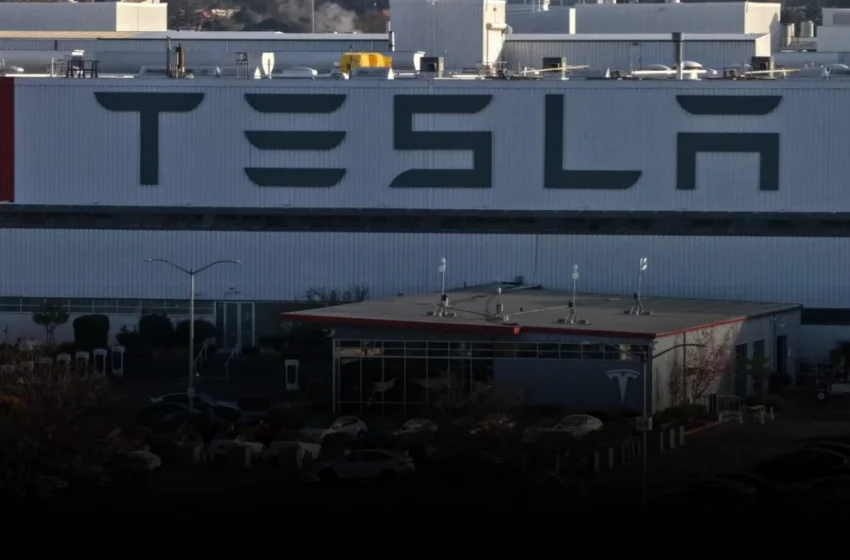
A California judge’s recent decision to deny Tesla’s motion to dismiss a racial discrimination lawsuit isn’t just a procedural victory for the plaintiffs; it’s another stark illustration of how far the company’s internal culture lags behind its vaunted technological ambitions. Over four years after the California Civil Rights Department (CRD) first alleged systemic racial bias within the automaker’s operations, particularly at its Fremont factory, the path is now clear for a July 20 trial. This ruling peels back the glossy veneer of innovation to reveal persistent questions about how the electric vehicle giant manages its most fundamental corporate responsibilities.
CRD Director Kevin Kish minced no words, stating that Tesla’s “employment practices remain rooted in some of the ugliest relics of the past,” citing allegations of unequal pay, rampant racist slurs, and threats against Black workers who dared to speak out. The lawsuit seeks both substantial financial damages and comprehensive injunctive relief, aiming to force structural, lasting changes within the company. For an organization often praised for disrupting entire industries with its battery technology and manufacturing innovation, the court’s readiness to examine claims stretching back to June 2018 indicates a deep-seated and prolonged failure to cultivate an inclusive, equitable workplace environment.
Beyond the Factory Floor: A Pattern of Corporate Blind Spots
This lawsuit isn’t an isolated incident that can be easily dismissed as the actions of a few rogue employees. Tesla, a titan in sustainable transport and advanced software development, has faced a steady stream of legal challenges questioning its corporate conduct across various domains. From allegations of unsafe working conditions and union-busting tactics to a prior high-profile judgment for racial harassment and multiple sexual harassment claims, the pattern suggests a systemic inability—or perhaps an institutional unwillingness—to foster a respectful and legally compliant workplace. This persistent legal exposure, which often results in significant settlements or judgments, alongside its soaring market capitalization, presents a profound and unsettling contradiction that Silicon Valley reporters, focused on product launches, often overlook.
One might reasonably ask if the company’s leadership is genuinely unaware of these issues, or if the relentless pursuit of growth and technological supremacy simply eclipses every other consideration, relegating HR compliance to an afterthought. The partial grant to Tesla, which only blocked claims prior to June 18, 2018, under the statute of limitations, is more revealing than it might seem; it underscores that enough substantive and timely claims exist within the specified period to warrant a full judicial review and, potentially, expose widespread systemic issues.
The Elon Musk Factor: Culture from the Top Down
Much of Tesla’s public image, and indeed its corporate culture, is inextricably linked to its charismatic, often controversial CEO, Elon Musk. His frequently unconventional communication style, including public comments that have drawn criticism for insensitivity or flippancy, coupled with what appears to be a hands-off approach to internal human resources and governance, have collectively created an environment where robust corporate controls, usually standard practice in a company of this scale, seem unusually loose. This isn’t just about optics or a CEO’s personal brand; it’s about a tangible impact on employee experience, internal morale, and critically, the company’s legal and regulatory risk profile.
The incentive for Tesla to fight these lawsuits tooth and nail, rather than engaging in early settlements and implementing swift, comprehensive reforms, seems to be a calculated gamble: protect the brand narrative of a nimble, disruptive company unburdened by ‘traditional’ corporate bureaucracy, even if it means enduring costly and potentially reputation-damaging public trials. This strategy, while perhaps saving face in the short term, often prolongs the agony and amplifies negative scrutiny. For a company at the forefront of autonomous driving and AI innovation, its internal HR practices and its approach to basic labor law compliance appear alarmingly anachronistic, stuck in a bygone era.
This consistent focus on legal skirmishes diverts considerable resources—both financial capital and invaluable reputational equity—that could otherwise be invested in fostering a more robust, equitable, and ultimately more productive organizational structure. Savvy competitors in the broader automotive industry, particularly legacy players undergoing their own painful but often more structured electrification transitions, watch these developments closely, often seeing an opportunity to highlight their own, albeit imperfect, commitments to Environmental, Social, and Governance (ESG) principles.
The Price of Innovation Without Integrity
The recurring themes in these lawsuits — harassment, discrimination, and a perceived disregard for worker welfare — chip away at the narrative that Tesla represents an unblemished future, a company that transcends the mundane problems of older industries. While the company innovates at a breathtaking pace in product design, manufacturing processes, and software development, its internal human infrastructure often appears neglected, an Achilles’ heel beneath the shiny exterior. The Alameda County Superior Court’s decision isn’t merely a procedural hurdle; it’s a bellwether for how seriously the judiciary and regulatory bodies are prepared to take allegations against high-growth tech firms, regardless of their market darling status.
The outcome of this trial will send a powerful message, not just to Tesla, but to the broader technology sector, particularly startups and high-valuation companies that sometimes prioritize aggressive disruption over fundamental human resource diligence and ethical duty. The core implication is undeniable: a company’s valuation, however astronomical, does not exempt it from fundamental human rights and labor laws. Tesla’s brand, built on a promise of progress and radical change, risks being severely tarnished if it cannot demonstrate a tangible commitment to fairness and respect within its own walls. The pursuit of a sustainable future must extend beyond electric cars and renewable energy solutions to encompass a sustainable and equitable workplace for every individual who contributes to that vision.
