
Trump Mobile’s Alleged FCC Failures and Data Breaches Flag National Security Risks
- Government & Policy
Arjun Vedanta
- 0
- 9 minutes read
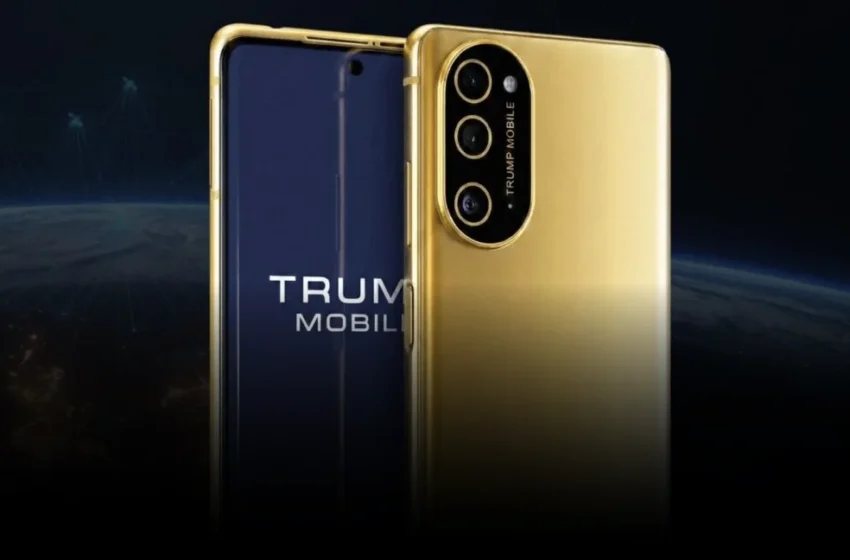
Senator Maggie Hassan (D-N.H.) has raised alarm bells over Trump Mobile, alleging the company failed to secure essential Federal Communications Commission (FCC) authorizations for its international calling services and neglected critical robocall mitigation measures. These regulatory shortcomings, coupled with recent customer data breaches, underscore significant national security and consumer protection vulnerabilities within the US telecommunications sector.
The core of the issue centers on a letter from Sen. Hassan today, which highlights what appear to be multiple instances of non-compliance. For American tech professionals and enthusiasts, this isn’t just a bureaucratic oversight; it points to potential weaknesses in how US mobile carriers are vetted and monitored, especially when handling sensitive international communications and safeguarding personal data. The integrity of our telecom infrastructure relies on every participant adhering to established rules, making Trump Mobile’s alleged lapses a matter of public concern.
The Regulatory Black Hole: FCC Oversight and International Calls
At the heart of Sen. Hassan’s accusations is the claim that Trump Mobile failed to obtain necessary FCC authorizations to operate the international calling portion of its phone service. The FCC mandates that companies providing international telecommunications services file for specific approvals under Section 214 of the Communications Act. This isn’t mere paperwork; it’s a critical gatekeeping function designed to ensure that foreign ownership interests, national security implications, and law enforcement concerns are thoroughly vetted.
When a carrier facilitates calls across borders without proper authorization, it creates a potential blind spot for federal agencies. This can complicate efforts to track illicit activities, enforce sanctions, or safeguard against foreign intelligence operations. For US consumers, it means their international communications could be routed through less secure channels, increasing the risk of interception or data compromise, even if unintentionally.
Sen. Hassan’s letter directly questioned Trump Mobile’s adherence to these fundamental rules, suggesting a systemic disregard for the regulatory framework that underpins secure US telecommunications. This oversight could expose subscribers to risks that compliant carriers are mandated to mitigate.
| FCC Requirement | Purpose | Trump Mobile’s Alleged Status |
|---|---|---|
| Section 214 Authorization (International) | Ensures vetting of foreign ownership, national security, law enforcement compliance for international calls. | Apparently failed to obtain (according to Sen. Hassan’s letter). |
| Robocall Mitigation Plan Filing | Details strategies to combat unwanted robocalls and spoofed calls. | Does not appear to have submitted (according to Sen. Hassan’s letter). |
| Robocall Database Filing (Partner) | Verification of robocall mitigation efforts by service providers and their partners. | Partner (Liberty Mobile Wireless) filed, but it was not complete (according to Sen. Hassan’s letter). |
Breaches and Blind Spots: Customer Data at Risk
Beyond regulatory compliance, Sen. Hassan’s letter squarely addresses Trump Mobile’s reported security incidents, drawing a direct link between the alleged filing failures and the company’s ability to protect user data. The letter referenced a report that hackers stole the personal data of 3,615 customers. This incident, while concerning on its own, follows a previous confirmation by Trump Mobile that a vendor it uses exposed customer personal data on the internet.
These breaches are not isolated events; they suggest a pattern of insufficient security protocols, or perhaps a lack of the robust oversight expected of a telecommunications provider. For American consumers, a data breach can lead to identity theft, financial fraud, and a significant invasion of privacy. Everything from names and addresses to call records and billing information can be compromised, potentially facilitating more sophisticated attacks like SIM swapping, where criminals port a victim’s phone number to a new device to bypass multi-factor authentication.
The reliance on third-party vendors, while common in the industry, introduces additional complexity. Carriers are ultimately responsible for ensuring their supply chain partners adhere to stringent security standards. When a vendor exposes customer data, it reflects poorly on the primary service provider and erodes trust in the entire ecosystem. This raises questions about how thoroughly Trump Mobile vets and monitors its partners.
Robocalls and the Unfilled Gaps in Consumer Protection
Another significant charge in Sen. Hassan’s letter is Trump Mobile’s apparent failure to submit a required plan for fighting robocalls. The FCC has made combating illegal robocalls a top priority, implementing measures like the STIR/SHAKEN framework to verify caller ID information and reduce spoofed calls. Service providers are mandated to submit detailed plans outlining how they will mitigate these pervasive and annoying calls.
While Trump Mobile’s key business partner, Liberty Mobile Wireless, did make a robocall database filing, Sen. Hassan noted that it was “not complete.” This incompleteness isn’t a minor detail; it means that the full extent of mitigation efforts—or lack thereof—remains opaque to regulators. Robocalls don’t just annoy; they are often vectors for scams, targeting vulnerable populations and costing Americans billions of dollars annually. A carrier failing to fully participate in the fight against them directly harms its subscribers and the broader public.
The FCC’s push for comprehensive robocall mitigation plans is a direct response to consumer demand for greater protection. When a carrier falls short on this front, it undermines collective efforts to clean up the phone network and leaves its users exposed to an onslaught of unwanted and potentially fraudulent calls.
What This Means for the US Telecom Landscape
The allegations against Trump Mobile serve as a stark reminder that regulatory compliance and robust cybersecurity are not optional for any company operating in the US telecommunications sector. This incident could prompt increased scrutiny from the FCC and Congress on smaller carriers and MVNOs (Mobile Virtual Network Operators) who may operate with fewer resources than industry giants like AT&T, Verizon, or T-Mobile.
For US consumers, this highlights the importance of choosing mobile providers with a proven track record of security and compliance. While cost is often a factor, the potential risks of compromised data or insecure communications can far outweigh any perceived savings. The broader industry might see renewed calls for more stringent auditing and enforcement, ensuring that all players, regardless of size or political affiliation, adhere to the same high standards.
Ultimately, this situation reinforces the FCC’s critical role in safeguarding both national security and consumer interests. The agency’s ability to enforce its regulations is paramount to maintaining a secure and trustworthy communications environment for all Americans.
Key Takeaways for US Readers
- Regulatory Accountability: Senator Hassan’s letter underscores the FCC’s vital role in ensuring all carriers, including smaller players like Trump Mobile, comply with national security and consumer protection mandates.
- Data Security Risks: The reported hack of 3,615 customers and vendor data exposure highlight persistent vulnerabilities in carrier security, emphasizing the need for robust data protection measures.
- Robocall Enforcement: Incomplete robocall mitigation plans undermine nationwide efforts to combat scam calls, leaving consumers exposed to persistent fraud attempts.
- Consumer Choice: This incident reinforces the importance for US consumers to consider a carrier’s security track record and regulatory compliance, not just pricing, when selecting mobile services.
FAQ:
What are the main allegations against Trump Mobile?
Senator Maggie Hassan alleges Trump Mobile failed to obtain necessary FCC authorizations for its international calling services, did not submit a required robocall mitigation plan, and demonstrated insufficient security protocols leading to customer data breaches.
Why is FCC authorization for international calls important?
FCC authorization for international calls ensures that telecommunications providers are vetted for national security concerns, foreign ownership implications, and law enforcement compliance. Operating without it creates potential vulnerabilities for the US communications infrastructure and consumer data.
How does this impact US consumers?
For US consumers, these alleged failures mean increased risks of personal data breaches, potential exposure to less secure international communication channels, and continued vulnerability to robocalls and associated scams due to incomplete mitigation efforts by their carrier.
What is the role of Liberty Mobile Wireless in this?
Liberty Mobile Wireless is identified as Trump Mobile’s key business partner. While Liberty Mobile Wireless did make a robocall database filing, Senator Hassan’s letter noted that this filing was not complete, indicating potential gaps in their combined robocall mitigation strategy.
