
Truth Social API: The $100,000 Question for US Presidential Ethics
- Government & Policy
Arjun Vedanta
- 0
- 9 minutes read
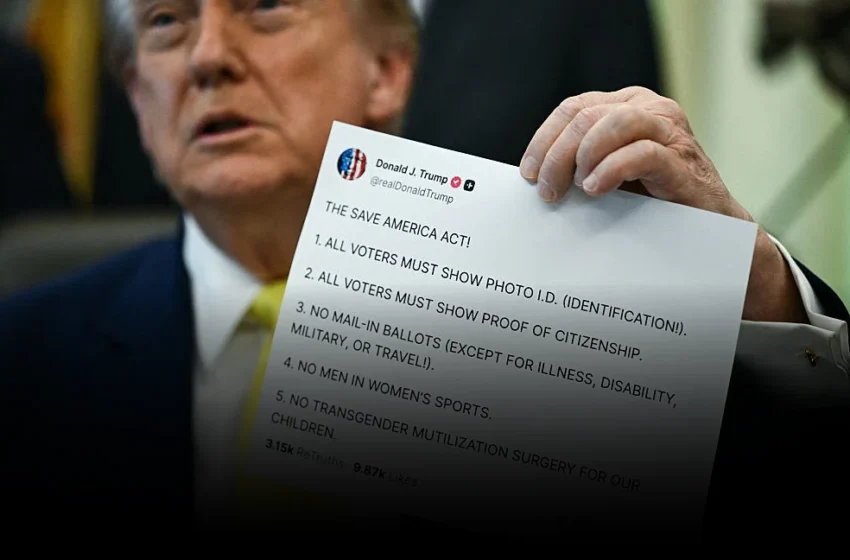
A federal judge is poised to rule on whether former President Donald Trump can charge up to $100,000 monthly for instant API access to his Truth Social posts, which often contained news from his administration. This decision will critically determine if a US president can personally profit from monetizing access to information originating from their time in public office, setting a contentious precedent for governmental transparency and information equity.
This isn’t merely a dispute over a fee; it’s a foundational challenge to the long-standing ethical boundaries governing presidential conduct and the public’s right to information. The Department of Justice (DoJ) civil attorney, Brantley Mayers, argued there was “no conflict whatsoever” at a recent hearing, yet the proposal has ignited a fierce debate among legal scholars, journalists, and technology analysts. The outcome will profoundly impact how future administrations, or even former leaders, might leverage private digital platforms for personal financial gain, fundamentally altering the landscape of political communication and accountability for American citizens.
The Anatomy of a Digital Conflict: What’s at Stake?
At its core, this controversy revolves around the ownership and value of information generated during a president’s tenure. Donald Trump is the largest stakeholder and majority owner of Trump Media & Technology Group (TMTG), the parent company behind Truth Social. The value proposition for API access, according to the source article, comes “largely from Trump’s role as president.” This direct linkage between a past public office and a present private profit stream is unprecedented.
API, or Application Programming Interface, access allows automated, programmatic ingestion of data, meaning paying subscribers—likely hedge funds, political campaigns, or media organizations—could receive Trump’s posts milliseconds before the general public. This isn’t just a matter of convenience; it’s a matter of speed and scale, providing a significant informational advantage that can be critical in financial markets, political strategy, and rapid news dissemination. The proposed $100,000 monthly fee for this privileged access underscores its perceived high value.
Information as a Commodity: The Precedent Problem
The potential ruling could open a Pandora’s Box, establishing a framework where future presidents or former leaders could view their official communications as a personal asset, ripe for monetization. While presidents traditionally profit from books or speeches after leaving office, these are generally reflections or analyses, not ongoing streams of potentially sensitive or market-moving information directly tied to their past governmental actions or ongoing influence.
The critical difference here is the immediacy and nature of the content. Truth Social posts, particularly during his administration, often served as official announcements, policy statements, or reactions to critical events. Granting early, paid API access to such content transforms public information into a tiered commodity, accessible first to those with the deepest pockets. This fundamentally eradicates the principle of equitable access to information that is, in essence, public record.
Who Benefits from Premium Access?
The implications of a pay-to-play model for presidential communications are far-reaching, impacting various sectors of American society.
- Financial Markets: Instant access to presidential statements, even from a former president, can trigger market movements. Hedge funds or high-frequency trading firms could gain an unfair advantage, acting on information before the broader public or smaller investors.
- Journalism: News organizations, particularly those focused on political reporting, thrive on timely and accurate information. If core announcements or insights are gated, it could force media outlets to pay significant sums to remain competitive, potentially benefiting larger corporations while disadvantaging smaller, independent newsrooms. This creates a two-tier system for the press, impacting the public’s access to rapid, comprehensive reporting.
- Political Campaigns & Lobbyists: Early insights into a prominent political figure’s thinking could provide an edge in crafting messaging, anticipating policy shifts, or influencing public opinion. This could deepen existing inequalities in political power and access.
- The Public: Ultimately, American citizens relying on public discourse and transparent governance are at a disadvantage. Their access to crucial information becomes secondary to those who can afford premium rates, undermining the democratic ideal of an informed populace.
Tech Platforms and Political Power: A Slippery Slope?
This case also highlights the evolving dynamic between technology platforms and political influence. Unlike traditional press conferences or official government websites, private social media platforms are not bound by the same public records laws or ethical oversight mechanisms. Truth Social, as a platform largely owned by Trump, further blurs the lines between personal communication and quasi-official statements.
The DoJ’s argument of “no conflict whatsoever” glosses over the fundamental ethical quandary: when does a former president’s platform become an extension of their public role, and how can that influence be ethically monetized? This situation sets a dangerous precedent, suggesting that future leaders might deliberately channel official or influential communications through privately owned channels specifically designed for personal profit.
| Aspect | Traditional Post-Presidency Monetization | Proposed Truth Social API Monetization |
|---|---|---|
| Information Type | Memoirs, speeches, consulting; retrospective analysis. | Real-time or near real-time posts; often current commentary, past administration insights. |
| Information Timing | After a significant delay, typically years post-presidency. | Immediate upon posting, potentially during or shortly after the relevant events. |
| Access Mechanism | Books, public speaking events, media interviews (broad access). | Paid API subscription; limited to those paying up to $100,000/month (exclusive access). |
| Ethical Concerns | Potential for influence peddling; generally accepted as personal enterprise. | Direct monetization of ongoing or past presidential influence, potential for information asymmetry, challenges transparency. |
The Path Forward: Navigating Digital Ethics in Public Office
The judge’s decision in the coming weeks will send a clear signal about the acceptable boundaries of a president’s personal financial endeavors intersecting with their public service. It forces a critical examination of how digital technologies, particularly social media, have changed the nature of public information and the ethical responsibilities of those who hold or have held the highest office.
For US tech professionals and enthusiasts, this case underscores the need for robust discussions around platform governance, data ethics, and the role of technology in maintaining democratic transparency. As political figures increasingly leverage private digital ecosystems, the guardrails protecting public information from being commodified for individual profit must be clearly defined and enforced.
What is the Truth Social API access controversy about?
The controversy centers on whether former President Donald Trump can charge a monthly fee of up to $100,000 for early, programmatic access via API to his Truth Social posts. These posts often contained news and insights from his time as president, raising ethical questions about monetizing information derived from public office.
Why is charging for early access to presidential posts considered controversial?
It’s controversial because it could set a precedent for presidents or former presidents to personally profit from information generated or influenced by their public service. This creates a two-tiered system where those who pay get privileged access to potentially market-moving or politically significant news before the general public, undermining transparency and information equity.
What are the potential implications for American transparency?
The primary implication is a potential erosion of public transparency. If a president’s communications can be monetized for exclusive early access, it could incentivize future leaders to gate information, making it harder for journalists, analysts, and the average citizen to get timely, unfiltered access to critical public insights, thereby hindering an informed populace.
- Key Takeaways:
- The judge’s ruling on Truth Social API access will establish a critical precedent for monetizing presidential communications.
- Charging $100,000 monthly for early access creates an information asymmetry, favoring wealthy entities over the general public and smaller news outlets.
- The case highlights the ethical challenges of private digital platforms intersecting with public office and accountability.
- It mandates a reevaluation of how public information is treated in the digital age, urging stronger guardrails against commodification.
