
Volkswagen’s ID. Tiguan: A Strategic Leap for Mainstream EV Adoption in America
Arjun Vedanta
- 0
- 9 minutes read
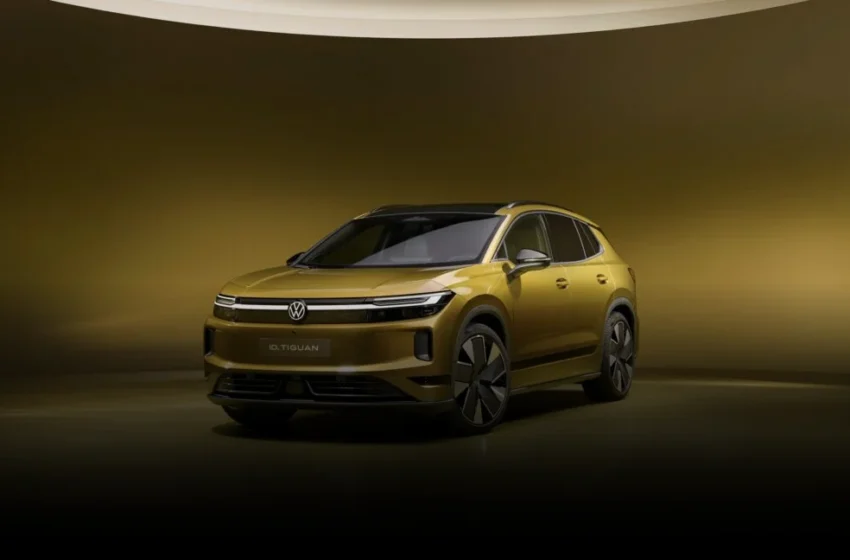
Volkswagen’s new ID. Tiguan is poised to replace the ID.4 electric crossover, signaling a pivotal shift in the automaker’s strategy to accelerate mainstream EV adoption in the crucial American market. By leveraging the familiar and highly successful ‘Tiguan’ nameplate, VW aims to bridge the gap between traditional gasoline-powered SUVs and its evolving electric lineup, underpinned by the enhanced MEB+ platform.
This move isn’t merely a rebranding; it’s a calculated decision by Volkswagen to make electric vehicles more accessible and appealing to a broader audience of US consumers. The ID.4, while a competent offering, never quite captured the American imagination in the same way its gasoline counterparts did. The ID. Tiguan, with its established name and significant technical upgrades, represents Volkswagen’s intent to directly challenge the dominant internal combustion engine (ICE) players in the US compact SUV segment, rather than positioning its EVs as niche alternatives.
The Strategic Shift: Why ‘Tiguan’ Matters for American Buyers
Volkswagen’s decision to name its next electric crossover the ID. Tiguan is a powerful declaration of intent for the American market. The Tiguan is a household name in the US, a top-selling SUV known for its practicality and value. Thomas Schäfer, CEO of the VW brand, underscored this strategy, stating, “The Tiguan is our best-selling model worldwide, and the ID.4 and ID.5 are among our most successful electric cars. The ID. Tiguan brings these two success stories together.” This naming convention is designed to provide immediate familiarity and trust, significantly reducing the cognitive leap for consumers considering an electric vehicle for the first time.
For many American drivers, the transition to an EV is still perceived with apprehension, often due to unfamiliarity with new models or brands. By adopting a moniker that already commands significant market recognition and goodwill, Volkswagen is effectively communicating that its latest EV offers the same reliability and utility customers expect from a gasoline-powered Tiguan, but with the added benefits of electric propulsion. This strategy is critical in a competitive market where brand loyalty and established perceptions heavily influence purchasing decisions.
The ID.4, which debuted in 2021, initially struggled to resonate widely despite local production beginning in Chattanooga, Tennessee, a year later. While it sold almost a million units globally alongside the near-identical ID.5, the market demand for the ID.4 in the US eventually saw Chattanooga shift its focus away from its production earlier this year. The introduction of the ID. Tiguan, therefore, represents an opportunity for Volkswagen to recalibrate its approach, using a proven brand identity to drive EV sales.
Beneath the Badge: The MEB+ Platform’s American Promise
The ID. Tiguan isn’t just getting a new name; it’s built on an updated version of Volkswagen’s modular electric drive matrix platform, now dubbed MEB+. This platform upgrade is crucial, enabling significant improvements in performance, efficiency, and range that are vital for winning over American consumers. The MEB+ platform allows for greater flexibility and optimization, directly addressing some of the key concerns prospective EV buyers have about range anxiety and power.
Key specifications for the ID. Tiguan include two battery pack options: a 58 kilowatt-hour (kWh) unit and a larger 77 kWh unit. The smaller 58 kWh pack is paired with a 187 horsepower (140 kW) rear electric motor. For those seeking more power and range, the 77 kWh battery offers two powertrain configurations: a robust 281 horsepower (210 kW) rear-wheel drive (RWD) system or an even more powerful 295 horsepower (220 kW) all-wheel drive (AWD) option. The availability of AWD is a significant draw for US buyers, especially in regions with diverse weather conditions, offering enhanced traction and control.
The updated MEB+ platform also promises a substantial boost in range. According to the European WLTP test cycle, the ID. Tiguan can achieve up to 373 miles (600 km) on a single charge. While the US EPA ratings typically result in slightly lower figures due to different testing methodologies, this WLTP estimate suggests a strong EPA range likely exceeding 300 miles for the 77 kWh variant. Such a range positions the ID. Tiguan competitively against other long-range EVs in the US market, easing concerns about charging frequency for daily commutes and longer road trips across America’s vast distances.
ID. Tiguan Powertrain Options
| Battery Pack | Drive Type | Power Output | Estimated WLTP Range |
|---|---|---|---|
| 58 kWh | Rear-Wheel Drive | 187 hp (140 kW) | Not specified by source |
| 77 kWh | Rear-Wheel Drive | 281 hp (210 kW) | Up to 373 miles (600 km) |
| 77 kWh | All-Wheel Drive | 295 hp (220 kW) | Up to 373 miles (600 km) |
Competing in the Crucial US Crossover Market
The US market for electric crossovers is rapidly expanding and increasingly competitive. The ID. Tiguan will go head-to-head with established players like the Tesla Model Y, Ford Mustang Mach-E, Hyundai Ioniq 5, and Kia EV6. Its success will hinge on a combination of its familiar branding, improved specifications, and potentially competitive pricing (though pricing details were not included in the source material).
With up to 295 horsepower and an estimated range that should comfortably exceed 300 miles (approximately 480 km) in EPA testing, the ID. Tiguan offers compelling figures. The availability of all-wheel drive addresses a critical demand for many American SUV buyers, ensuring it’s a viable option for various terrains and climates. Volkswagen’s long-standing reputation for engineering and practicality will also play a role in distinguishing it from newer EV startups.
Volkswagen’s prior experience with the ID.4, including its production in Tennessee, provides valuable lessons. While the specific production plans for the ID. Tiguan in the US were not detailed, the company’s past investment in US manufacturing demonstrates its commitment to the American market. Aligning a new, more advanced EV with a beloved nameplate is a smart play to accelerate market penetration and overcome the initial hurdles of EV adoption.
What Challenges Does the ID. Tiguan Face in the US?
Despite its promising attributes, the ID. Tiguan will need to navigate several challenges in the US. The charging infrastructure, while improving, still presents a hurdle for some consumers. Moreover, the brand will need to educate potential buyers on the benefits of the MEB+ platform and ensure that the ‘Tiguan’ name translates effectively into an electric context, balancing familiarity with innovation. Price sensitivity and ongoing supply chain dynamics will also influence its market performance.
Conclusion & Takeaways
The Volkswagen ID. Tiguan represents a calculated evolution of VW’s electric strategy, moving beyond numerical designations to embrace the power of established brand recognition. This strategic shift, combined with the technical advancements of the MEB+ platform, positions the ID. Tiguan as a formidable contender in the competitive US electric crossover segment.
- Brand Leverage: Adopting the ‘Tiguan’ name is a powerful move to appeal to mainstream American buyers, fostering familiarity and trust.
- Platform Evolution: The updated MEB+ platform delivers improved range (up to 373 miles WLTP), increased power (up to 295 hp), and all-wheel drive options crucial for the US market.
- Market Position: The ID. Tiguan aims to directly compete with top-selling electric and gasoline crossovers by offering a compelling package of power, range, and practicality.
- Addressing US Needs: Strong range estimates and available all-wheel drive directly address key concerns of American consumers regarding EV practicality.
FAQ for American Readers
What is the Volkswagen ID. Tiguan?
The Volkswagen ID. Tiguan is an all-new electric crossover that serves as the replacement for the ID.4. It combines the popular ‘Tiguan’ nameplate with Volkswagen’s electric vehicle technology, aiming for broader appeal in the US market.
How does the ID. Tiguan compare to the outgoing ID.4?
The ID. Tiguan utilizes an updated MEB+ platform, offering more powerful motor options (up to 295 hp AWD) and a significantly extended range (up to 373 miles WLTP) compared to the ID.4’s initial offerings. It also leverages the highly recognized Tiguan name for better market integration.
What are the battery and power options for the ID. Tiguan?
The ID. Tiguan offers two battery sizes: 58 kWh and 77 kWh. Powertrain options for the 77 kWh battery include a 281 hp rear-wheel drive version and a 295 hp all-wheel drive version, while the 58 kWh pack comes with a 187 hp rear motor.
Will the ID. Tiguan be built in the US?
While the previous ID.4 was produced in Chattanooga, Tennessee, the source material does not specify where the ID. Tiguan will be manufactured. However, Volkswagen’s strategic focus on the American market suggests a significant presence and availability in the US.
