
AI Protein Design Unlocks New Era for Neurological Disease Treatment
- Artificial Intelligence
Arjun Vedanta
- 0
- 9 minutes read
AI Protein Design Unlocks New Era for Neurological Disease Treatment
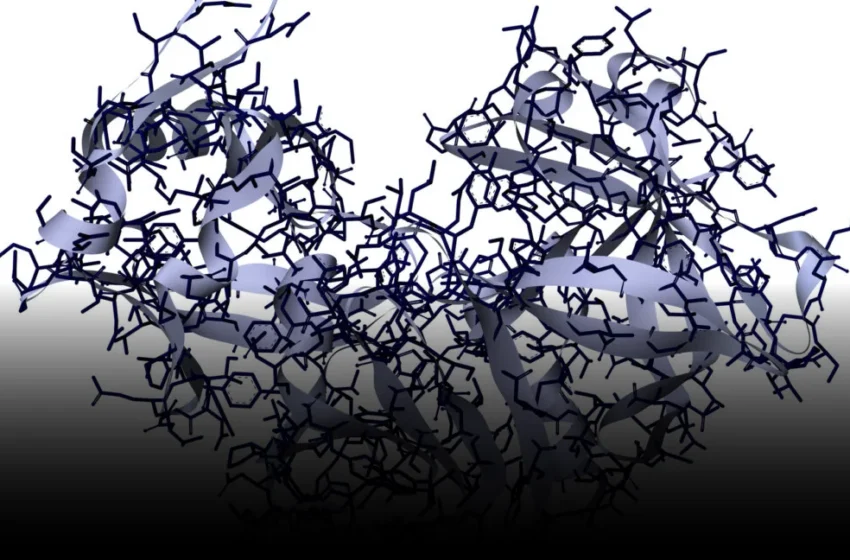
Researchers are leveraging artificial intelligence to engineer novel enzymes, known as proteases, that can precisely cleave specific proteins. This breakthrough holds immense promise for developing highly targeted therapies and diagnostics for complex neurological diseases, representing a potentially transformative shift in US biomedical research and patient care.
This innovative application of AI short-circuits traditional biological evolution, allowing scientists to design enzymes tuned to disrupt specific disease-causing protein pathways. For the American healthcare system, which grapples with the enormous costs and limited effectiveness of treatments for conditions like Alzheimer’s and Parkinson’s, this precision protein engineering offers a potent new weapon. It signals a future where drug discovery could be significantly accelerated, leading to more effective interventions for millions of US patients facing debilitating neurodegenerative disorders.
What Are AI-Designed Proteases and Why Do They Matter?
At its core, a protein is a complex chain of amino acids, linked by incredibly stable peptide bonds. While these bonds can persist for hundreds of years in isolation, the body’s natural processes ensure proteins are broken down much faster through the action of specialized enzymes called proteases. These biological scissors are essential for countless physiological functions, from digestion to immune response.
The recent breakthrough, as described by researchers, involves using advanced AI-based protein design tools to bypass this natural diversification process. Scientists can now take the essential catalytic core of a natural protease and computationally design the entire surrounding structure. This allows for the creation of completely new enzymes that can be precisely tuned to cut specific target proteins, a level of control previously unattainable through traditional methods.
AI-designed proteases represent a new class of synthetic enzymes capable of precisely cleaving target proteins, offering unprecedented control in biological systems. Their significance lies in their specificity: instead of broad-acting enzymes that might affect multiple proteins, these AI-generated tools can be engineered to identify and break down only the proteins implicated in a particular disease process, minimizing off-target effects.
Targeting Neurological Disease: A New Frontier for AI in Medicine
The potential impact of these AI-designed proteases on neurological diseases is profound. Many debilitating conditions, such as Alzheimer’s, Parkinson’s, and Huntington’s disease, are characterized by the abnormal accumulation or misfolding of specific proteins in the brain. For instance, Alzheimer’s involves the buildup of amyloid-beta plaques and tau tangles, while Parkinson’s is associated with alpha-synuclein aggregates.
Current treatments for these conditions often address symptoms rather than the root causes, and developing effective drugs capable of crossing the blood-brain barrier and selectively neutralizing toxic proteins without harming healthy tissue has been a monumental challenge. AI-designed proteases offer a direct approach: by engineering an enzyme to specifically break down these harmful protein aggregates, researchers could potentially halt or even reverse disease progression.
Consider the paradigm shift this represents for the US biopharmaceutical industry. Historically, drug development has relied on extensive trial-and-error, screening millions of compounds, a process that can take over 10 years and cost upwards of $2.6 billion per successful drug, according to industry estimates. AI-driven protein design accelerates this significantly, allowing for the rapid generation and testing of highly specific therapeutic candidates.
| Feature | Traditional Drug Discovery | AI-Designed Protease Approach |
|---|---|---|
| Target Specificity | Often broad, off-target risks common | High, precisely tuned to specific proteins |
| Development Speed | Years to decades (e.g., 10-15 years) | Potentially accelerated to months/years |
| Design Methodology | High-throughput screening, chemical synthesis | Computational modeling, predictive algorithms |
| Cost of R&D | Billions of US dollars | Potentially reduced design and testing costs |
| Clinical Challenges | Off-target effects, systemic toxicity | Precision, reduced side effects potential |
The US Biotech Landscape: Opportunities and Hurdles for Enzyme Engineering
The application of AI in protein design is poised to significantly reshape the landscape of US biotechnology and pharmaceutical development. Major US pharmaceutical companies, alongside numerous innovative biotech startups, are heavily investing in AI capabilities to accelerate drug discovery. This technology could provide a crucial competitive edge in the race to develop effective treatments for conditions with high unmet medical needs.
However, the path to clinical application is not without its hurdles. While the AI design phase can be rapid, translating these enzymes into approved therapies requires rigorous testing. Challenges include ensuring the designed proteases are stable and active within the complex biological environment of the human body, delivering them effectively to specific target tissues (like the brain, which is protected by the formidable blood-brain barrier), and minimizing potential immune responses.
Regulatory approval from agencies like the US Food and Drug Administration (FDA) will also be a critical step. Novel biologics, especially those involving engineered proteins, undergo stringent review processes to ensure safety and efficacy. Addressing these manufacturing, delivery, and regulatory concerns will be paramount for AI-designed proteases to move from promising research to impactful treatments for American patients.
The success of AI-designed proteases hinges on overcoming significant biological and regulatory hurdles within the US healthcare system. Furthermore, scaling up the production of these complex protein molecules to meet clinical demand will require advanced biomanufacturing capabilities, another area where US biotech infrastructure excels.
The Broader Implications: Beyond Disease Treatment
While the focus on neurological diseases is compelling, the capabilities of AI-designed proteases extend far beyond therapeutic applications. The ability to precisely cleave specific proteins opens doors to a wide array of industrial and research uses. For instance, these enzymes could be deployed in sustainable biomanufacturing processes, optimizing chemical reactions, or breaking down specific waste products more efficiently.
In agriculture, they might be engineered to enhance nutrient availability or control pests by targeting specific proteins in unwanted organisms. Material science could also benefit, with designer enzymes used to create novel biomaterials or precisely degrade existing ones. This versatility underscores the foundational nature of AI’s impact on protein engineering, promising advancements across multiple sectors of the US economy.
Conclusion
The advent of AI-designed proteases marks a pivotal moment in biotechnology. By enabling the precise engineering of enzymes that can target and break down specific proteins, this technology offers a powerful new approach to tackling some of the most challenging diseases of our time. While significant development and regulatory hurdles remain, the potential for personalized, highly effective treatments for neurological conditions in the US is clearer than ever.
- AI-designed proteases enable unprecedented precision in targeting and cleaving specific proteins.
- This technology holds significant promise for developing novel therapies and diagnostics for US patients with neurological diseases like Alzheimer’s and Parkinson’s.
- AI accelerates the drug discovery process, potentially reducing the time and cost associated with traditional pharmaceutical development.
- Key challenges include effective delivery to target tissues, minimizing immunogenicity, and navigating US regulatory approval processes.
- Beyond medicine, AI-engineered enzymes have broad applications in industrial bioprocessing, agriculture, and materials science.
FAQ
What are proteases?
Proteases are natural enzymes that break down proteins by cleaving the peptide bonds that link amino acids together. They are essential for various biological processes, including digestion, immune response, and cellular waste removal.
How does AI help design new proteins?
AI tools analyze vast datasets of protein structures and functions, then use algorithms to predict and design novel amino acid sequences. This allows researchers to engineer proteins, like proteases, with specific desired characteristics, such as targeting particular protein molecules for cleavage.
What are the main challenges for these AI-designed enzymes in treating disease?
Key challenges include ensuring the enzymes are stable and effective within the human body, developing safe and efficient methods to deliver them to specific target tissues (especially the brain), preventing adverse immune reactions, and navigating the extensive US regulatory approval process for novel biologics.
How might this impact US patients with neurological conditions?
For US patients with neurological conditions, this technology could lead to more precise and effective treatments that directly address the root causes of diseases rather than just managing symptoms. It offers hope for slowing or reversing disease progression, potentially improving quality of life and reducing the substantial healthcare burden associated with these debilitating conditions.
